
🧰 Tools & Gear You’ll Need
- Storage bins, baskets, or shelves
- Labels for bins/shelves
- A designated storage area for off-season/rotated toys (e.g., closet, attic, basement)
- Optional: A “maybe” box for toys you’re undecided about
Why Bother? The Sanity-Saving Benefits of Toy Rotation
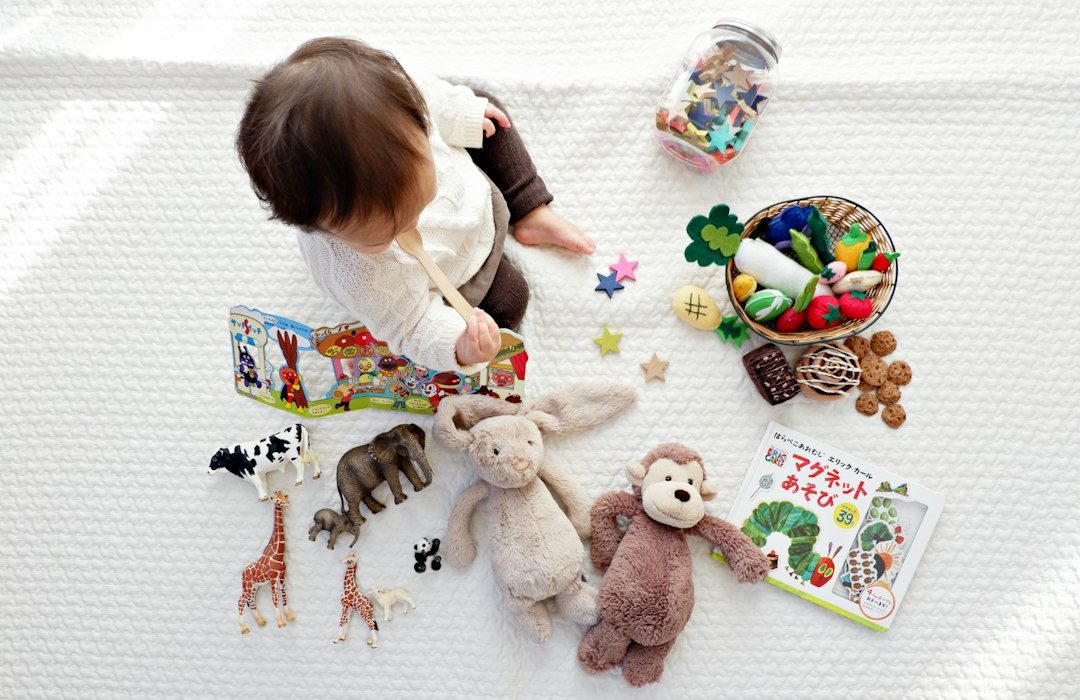
Let’s face it, the sheer volume of toddler toys can be overwhelming. They spill out of bins, carpet the floor, and create a constant state of low-grade chaos. Implementing a toy rotation system isn’t just about aesthetics; it’s a strategic move to reclaim your sanity and enhance your child’s development. It’s about moving from a cluttered environment to one that fosters focused play and a calmer home.
Reclaiming Your Space: Less Clutter, More Peace
The most immediate benefit is visible: a tidier nursery. When only a curated selection of toys is available, your child’s play area becomes less visually stimulating and easier to manage. This reduction in clutter translates directly to a more peaceful environment for everyone. Less time spent navigating toy minefields means more time for connection and calm. The mental load of constant tidying is significantly reduced, allowing parents to feel more in control of their home.

Boosting Toddler Development: Play, Learn, Repeat
Toy rotation isn’t just about reducing mess; it’s a powerful developmental tool. When toddlers are presented with a smaller, curated selection of toys, they tend to engage more deeply with what’s available. This focused play encourages creativity, problem-solving, and sustained attention. By regularly introducing “new” (rotated) toys, you reignite interest and prevent boredom, keeping developmental exploration fresh and exciting. Each rotation offers a chance to revisit old favorites with new skills or discover overlooked gems, fostering a continuous learning cycle.
The Cost of Clutter: Mental and Physical Toll
A perpetually cluttered environment isn’t just an eyesore; it can have a tangible negative impact. For toddlers, excessive visual stimuli from too many toys can lead to overstimulation, shorter attention spans, and frustration. For parents, the constant mess can contribute to stress, anxiety, and a feeling of being overwhelmed. The physical space itself feels smaller and less functional. Addressing toy clutter is an investment in both your child’s well-being and your own peace of mind.
The Anatomy of an Effective Toddler Toy Rotation System
A successful toy rotation system isn’t overly complicated, but it does require a little strategic planning. It’s about creating a manageable system that works for your family’s specific needs and your child’s developmental stage.
Defining Your Rotation Cycle: The 1-Week vs. 2-Week Debate
The frequency of rotation depends on your child’s age and engagement level. For very young toddlers (1-2 years), a 1-week cycle might be ideal, keeping things novel and exciting. As they get older (2-4 years), a 2-week cycle often works well, allowing them enough time to truly explore and engage with a set of toys before they’re swapped out. Some parents even opt for a 3 or 4-week cycle. The key is to observe your child: are they bored with the current selection, or are they still deeply engaged?

Categorizing the Chaos: Toy Groupings That Work
The most effective rotation systems group similar toys together. This makes swapping easier and ensures a balanced selection of play experiences are available at any given time. Aim for variety within each rotation set.
Building Blocks & Construction: Think LEGOs, Duplo, wooden blocks, magnetic tiles. These encourage spatial reasoning and fine motor skills.
Imaginative Play & Figures: Play-Doh, dollhouses, action figures, toy animals, play kitchen accessories, dress-up clothes. These foster creativity and social-emotional development.
Puzzles & Fine Motor Skills: Chunky puzzles, shape sorters, lacing beads, simple board games. These hone concentration and dexterity.
Arts & Crafts Supplies: Crayons, washable markers, safety scissors, construction paper, stickers. Rotate these periodically to avoid overwhelming supplies.
Books & Educational Toys: Picture books, interactive learning toys, simple science kits. Ensure a good mix of reading and structured learning.
Step-by-Step: Implementing Your Toddler Toy Rotation
Ready to tackle the toy mountain? Follow these actionable steps to set up your system.
The Great Toy Purge – Decluttering Essentials
Before you can rotate, you need to know what you’re working with. This is the crucial first step. Dedicate a solid block of time (or several shorter sessions) to go through *all* of your child’s toys. Be ruthless but realistic. Your goal is to identify toys that are genuinely loved and frequently used, those that are gathering dust, and those that might be broken or unsafe.
 Parenting & Baby Care
Nanit Pro vs Owlet Dream Sock: Best Smart Baby Monitor 2026 Comparison
Choosing the right smart baby monitor in 2026 means balancing advanced camera features with crucial, real-time health insights. The Nanit Pro and...
Read Guide → Parenting & Baby Care
Hands-Free Wearable vs. Traditional Double Electric Pump: Best 2026 Guide
Choosing the right breast pump is a pivotal decision for nursing mothers, directly impacting comfort, efficiency, and the overall breastfeeding journey. In...
Read Guide →Slow Rhythms • Wholehearted Parenting • Weekly Nourishment
Gentle thoughts on mindful motherhood, Sunday freezer meal prep plans, and peaceful home systems delivered to your inbox every weekend.