
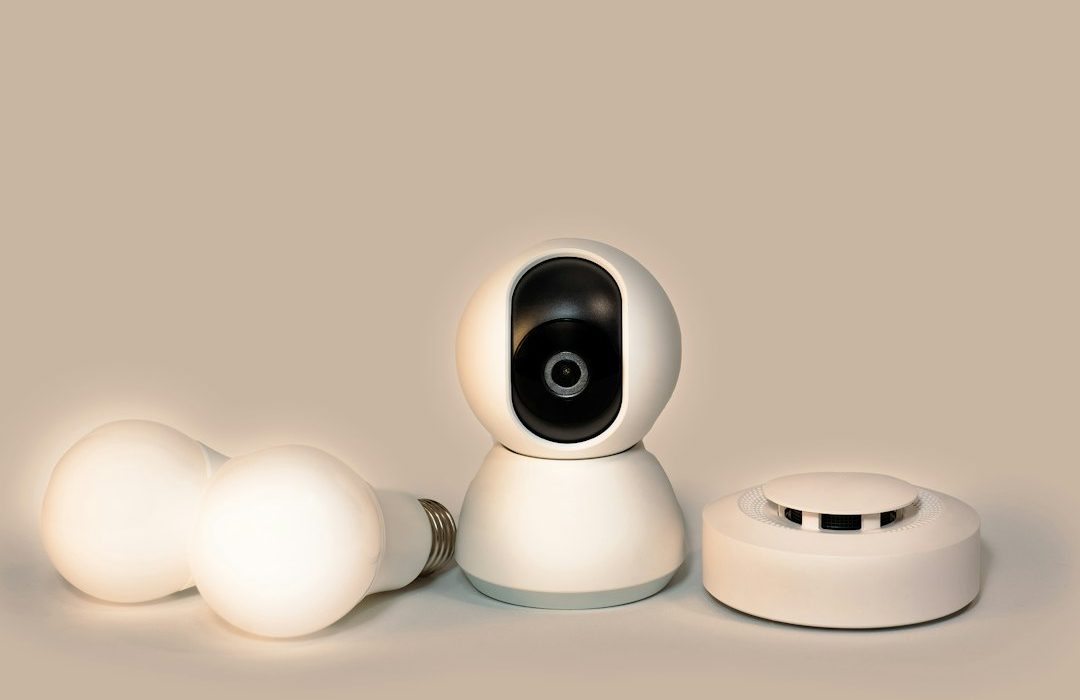
Choosing the right smart baby monitor in 2026 means balancing advanced camera features with crucial, real-time health insights. The Nanit Pro and Owlet Dream Sock stand at the forefront, each offering a distinct approach to peace of mind for new parents. While Nanit Pro excels in comprehensive room monitoring and crystal-clear video, the Owlet Dream Sock prioritizes continuous, non-invasive vital sign tracking. This deep dive dissects both systems to help you determine which technological guardian best suits your family’s needs.
The Ultimate Showdown: Nanit Pro vs. Owlet Dream Sock – A 2026 Deep Dive
The landscape of baby monitoring has evolved dramatically. No longer are we just looking for a grainy video feed; today’s parents demand data-driven insights into their baby’s well-being. The Nanit Pro camera system offers an immersive environmental and video monitoring experience, complete with sleep tracking and personalized coaching. Conversely, the Owlet Dream Sock focuses intently on physiological data—heart rate, blood oxygen levels—via a comfortable, wearable sensor. This comparison will unpack their core functionalities, user experience, and ultimately, help you decide which investment aligns with your priorities in 2026.
Key Features at a Glance: Nanit Pro vs. Owlet Dream Sock
| Feature | Nanit Pro | Owlet Dream Sock |
|---|---|---|
| Primary Function | HD Video Camera, Environmental Monitoring, Sleep Tracking | Vitals Tracking (Heart Rate, SpO2), Sleep Tracking |
| Vitals Monitoring | No direct vital signs (relies on sleep and movement analysis) | Yes (Heart Rate, Blood Oxygen) |
| Video Quality | 1080p HD, 2-way Audio, Night Vision, Pan/Tilt/Zoom via App | No integrated camera (requires separate Owlet Camera or third-party) |
| Connectivity | Wi-Fi | Bluetooth (to base station), Wi-Fi (base station to app) |
| Power Source | Wall Outlet | Rechargeable Battery (Sock), Wall Outlet (Base Station) |
| Wearable Component | None | Fabric Sock (multiple sizes included) |
| App Features | Live Video, Audio, Sleep Reports, Growth Tracking, Environmental Sensors (Temp, Humidity, Noise), Sound/Motion Alerts, Personalized Insights | Live Vitals, Sleep Tracking, Historical Vitals Data, Alerts (High/Low HR/SpO2, Movement), “Smart Sock” Battery Level |
| Subscription Service | Optional (for extended history, advanced features) | Optional (Owlet Care for extended history, notifications) |
| Price Range (Approx. 2026) | $250 – $300 (Camera + Stand) | $299 – $329 (Dream Sock + Base) |
Vitals Tracking Capabilities: What Matters Most for Peace of Mind?
This is the most significant differentiator. The Owlet Dream Sock is purpose-built for real-time vital sign monitoring. Its fabric sock, comfortably worn on the baby’s foot, uses pulse oximetry to track heart rate and blood oxygen saturation (SpO2). Parents receive immediate alerts if these readings fall outside preset safe zones. This offers a direct, physiological safety net. The Nanit Pro, while offering sophisticated sleep tracking and movement analysis, does not directly measure heart rate or blood oxygen. Its insights into well-being are inferred through observing sleep patterns, room conditions, and general activity, which can be invaluable for understanding sleep quality but doesn’t provide the same immediate medical-adjacent data as the Owlet.

Camera Performance: Clarity, Night Vision, and Field of View
The Nanit Pro shines as a camera system. It delivers crisp 1080p HD video, allowing parents to see their baby in clear detail, day or night. Its advanced night vision is exceptional, providing visibility even in complete darkness without disturbing the baby. The camera offers digital pan, tilt, and zoom capabilities through the app, letting you adjust the view as needed. Furthermore, Nanit includes environmental sensors that monitor temperature, humidity, and background noise, providing a holistic view of the nursery’s conditions. The Owlet Dream Sock, by itself, has no camera functionality. Owlet does offer separate camera units (like the Owlet Cam), which can be paired with the Dream Sock system, but the core product is the wearable tracker, not an integrated camera.
Ease of Use & App Experience: Navigating Your Baby’s Data
Both systems aim for user-friendly experiences, but their interfaces reflect their primary functions. The Nanit app is a comprehensive dashboard for everything happening in the nursery. It masterfully integrates live video, audio, sleep analytics, environmental data, and alerts into an intuitive interface. Setting up Nanit is generally straightforward, typically involving mounting the camera and connecting it to your Wi-Fi. The Owlet app is focused on presenting vital signs and sleep data clearly and concisely. Setup involves pairing the Dream Sock to its base station and then connecting the base station to Wi-Fi. The app clearly displays real-time heart rate and SpO2, with easy-to-understand historical trends and alert notifications. For parents who want to dive deep into sleep science and room conditions, Nanit’s app offers more breadth. For those primarily concerned with immediate health metrics, Owlet’s focused approach is highly effective.
Safety & Reliability: Ensuring Uninterrupted Monitoring
Reliability is paramount for any baby monitor. Both Nanit and Owlet systems are designed with safety in mind, but they approach potential failures differently. Nanit, being Wi-Fi dependent, relies on a stable internet connection for remote viewing. Loss of Wi-Fi means loss of remote access, though local audio monitoring might persist depending on the model and setup. The system is generally considered reliable, with software updates improving performance. The Owlet Dream Sock uses a combination of Bluetooth and Wi-Fi. The sock communicates with a base station via Bluetooth, which then connects to Wi-Fi for app access. This multi-step process can introduce potential points of failure, though the Bluetooth connection offers a degree of local reliability even if Wi-Fi drops momentarily. Both companies offer alerts for lost connections or low battery levels on the Dream Sock. It’s crucial to follow charging instructions and ensure proper sensor placement for the Owlet Dream Sock to maintain accurate readings and reliable alerts.
Design & Hardware: Comfort for Baby, Convenience for Parents
The Nanit Pro’s hardware is primarily the camera unit itself, designed to be mounted securely above the crib or placed on a stand. It’s unobtrusive and blends into nursery decor. The focus is on camera optics and environmental sensors. The Owlet Dream Sock’s hardware is the fabric sock, designed to be soft and comfortable against a baby’s delicate skin. It comes in multiple sizes to accommodate a growing infant, typically from newborn up to 18 months. The sock houses the sensor technology and is machine washable. The base station is a small, unobtrusive unit that plugs into the wall. Comfort for the baby is a key design consideration for the Owlet, ensuring the vital tracking doesn’t disrupt sleep or cause irritation.

In-Depth Comparison: Breaking Down the Nanit Pro and Owlet Dream Sock
Moving beyond a surface-level feature list, let’s dissect the core strengths and weaknesses of each system as they stand in 2026.
Nanit Pro: Strengths and Weaknesses in 2026
Nanit Pro
👍 Pros
- Exceptional 1080p HD video quality with excellent night vision.
- Comprehensive nursery environmental monitoring (temperature, humidity, sound).
- Advanced sleep tracking with actionable insights and personalized coaching.
- Wide-angle lens and digital zoom provide extensive room coverage.
- Two-way audio for communication with the baby.
- Wall mount and freestanding stand options included.
👎 Cons
- No direct vital signs monitoring (heart rate, SpO2).
- Reliance on Wi-Fi can be a point of failure for remote access.
- Some advanced features and extended history require a paid subscription.
- Higher initial cost compared to basic audio monitors.
Owlet Dream Sock: Strengths and Weaknesses in 2026
Owlet Dream Sock
👍 Pros
- Direct, real-time monitoring of heart rate and blood oxygen (SpO2).
- Provides critical alerts for potential health issues.
- Comfortable, soft fabric sock designed for baby’s foot.
- Multiple sock sizes included for a growing infant.
- Reliable sleep tracking and analysis based on vitals.
- Base station provides a local connection backup.
👎 Cons
- No integrated camera; requires a separate purchase for video monitoring.
- Can be expensive when bundled with a camera.
- Reliance on Bluetooth and Wi-Fi can present connectivity challenges.
- Potential for false alarms or missed readings if the sock is misplaced or baby is overly active.
- Subscription for extended data history and advanced notifications.
Real-World Performance: What Parents Are Saying in 2026
User feedback in 2026 continues to highlight the core strengths and occasional frustrations with both systems. Parents consistently praise Nanit Pro for its video clarity, providing a sense of security through constant visual oversight. The sleep tracking features are often cited as helpful for establishing routines, though some users find the “coaching” advice generic. Environmental monitoring is appreciated, especially in nurseries prone to temperature fluctuations.
User Experiences with Nanit Pro’s Vitals Tracking
It’s important to reiterate that Nanit Pro does not offer direct vital signs tracking. Parents using Nanit focus on its ability to track sleep duration, wake times, and sleep quality based on movement and sound. Feedback indicates that the Nanit’s sleep analysis is highly accurate in identifying patterns, which helps parents understand their baby’s sleep hygiene. The ability to track baby’s growth and milestones within the app is also a frequently mentioned positive feature.
User Experiences with Owlet Dream Sock’s Vitals Tracking
For the Owlet Dream Sock, user testimonials often revolve around the peace of mind derived from the vital sign monitoring. Parents report feeling more secure knowing their baby’s heart rate and SpO2 are being tracked, especially during the sensitive newborn and infant stages. Many appreciate the immediate alerts that prompt them to check on their baby. However, some users mention occasional connectivity issues between the sock, base station, and app, and a few report instances of false alarms or the sock coming loose during active sleep, leading to interruptions in tracking.
Common Setup and Connectivity Issues (and How to Solve Them)
Nanit Pro: The most common issues reported involve initial Wi-Fi connection difficulties. Ensuring a strong, stable 2.4GHz Wi-Fi network is crucial. Restarting the router, camera, and app, and verifying network password accuracy often resolve these problems. Firmware updates are regularly released and can fix connectivity bugs.
Owlet Dream Sock: Connectivity between the sock and base station, and the base station to Wi-Fi, are the primary pain points. Ensuring the base station is within Bluetooth range of the sock is key. Users sometimes struggle with pairing the base station to a new Wi-Fi network. Factory resetting the base station and carefully following the app’s setup guide usually resolves these issues. Owlet’s customer support is often cited as helpful in troubleshooting these specific problems.

Who Should Buy the Nanit Pro in 2026?
The Tech-Savvy Parent Prioritizing Advanced Insights
If you’re drawn to data analytics, sleep science, and comprehensive environmental monitoring, the Nanit Pro is likely your ideal choice. Parents who enjoy tracking developmental milestones, optimizing nursery conditions for better sleep, and want the highest quality video feed will find Nanit’s feature set compelling. It’s for the parent who wants to understand not just *if* their baby is sleeping, but *how well* and *why*.
Parents Seeking Comprehensive Room Monitoring
For families needing to monitor more than just the baby—perhaps a shared nursery with a toddler, or a large room where the crib is far from the parents’ usual location—Nanit Pro’s camera capabilities, including its wide field of view and digital zoom, are superior. The environmental sensors add an extra layer of nursery management that is invaluable for infant comfort and safety.
Who Should Buy the Owlet Dream Sock in 2026?
The Safety-Conscious Parent Focused on Vitals
If your primary concern is the direct physiological well-being of your infant, the Owlet Dream Sock is the clear frontrunner. Parents who have experienced anxiety around SIDS risk, premature birth, or have a child with known respiratory or heart conditions will find immense value in the real-time heart rate and SpO2 monitoring. The alerts provide a crucial layer of proactive safety.
Parents Who Value Portability and Simplicity
While Nanit is portable, the Owlet Dream Sock system, particularly the sock itself, is designed for minimal disruption. If you plan to travel or move the baby between rooms frequently, the lightweight, fabric sock is less intrusive than a stationary camera. For parents who want a dedicated, simple solution for monitoring vital signs without the complexity of a full video system (or who already have a separate camera), the Dream Sock offers focused functionality.
The Verdict: Nanit Pro vs. Owlet Dream Sock – Our 2026 Recommendation
Deciding between the Nanit Pro and the Owlet Dream Sock boils down to prioritizing either comprehensive environmental and visual monitoring or direct physiological vital sign tracking.
When Nanit Pro Takes the Crown
👑 Ultimate Winner: Nanit Pro
The Nanit Pro is the superior choice for parents who want an all-encompassing view of their baby’s sleep environment and behavior. Its industry-leading camera quality, detailed sleep analytics, and nursery condition monitoring provide unparalleled insight into sleep hygiene and overall well-being. If you value high-definition video, environmental data, and sophisticated sleep tracking over direct vital sign monitoring, Nanit Pro offers a more complete nursery management system.
When Owlet Dream Sock Wins Out
👑 Ultimate Winner: Owlet Dream Sock
The Owlet Dream Sock is the definitive winner for parents whose primary concern is the immediate health and safety of their baby through continuous vital sign tracking. For newborns, infants with health concerns, or any parent seeking the utmost reassurance regarding heart rate and blood oxygen levels, the Dream Sock provides a critical layer of data that the Nanit Pro cannot replicate. Its focused approach to vital monitoring offers unparalleled peace of mind in that specific domain.

Frequently Asked Questions About Smart Baby Monitors & Vitals Trackers (2026)
Can Smart Baby Monitors Replace Constant Supervision?
No. Smart baby monitors are tools to *assist* supervision, not replace it. They provide alerts and data that can help parents respond quickly, but they cannot account for every potential hazard or immediate need. Physical checks and direct supervision remain essential.
How Accurate Are Baby Vitals Trackers?
Reputable baby vitals trackers, like the Owlet Dream Sock, use established medical technologies (pulse oximetry, electrocardiography principles) and are generally accurate for consumer use. However, they are not medical-grade devices and can be subject to errors due to improper fit, excessive movement, or certain environmental factors. They should be used as a guide and not a substitute for professional medical advice or care.
Are Nanit and Owlet Worth the Investment in 2026?
For many parents, the investment in Nanit Pro or Owlet Dream Sock is justified by the increased peace of mind, enhanced understanding of baby’s sleep, and proactive alerts they provide. The value depends heavily on individual priorities: if top-tier video and sleep analysis are key, Nanit Pro offers significant benefits. If real-time health vitals are non-negotiable, the Owlet Dream Sock provides unique reassurance. Both are considered premium products in their respective categories.