
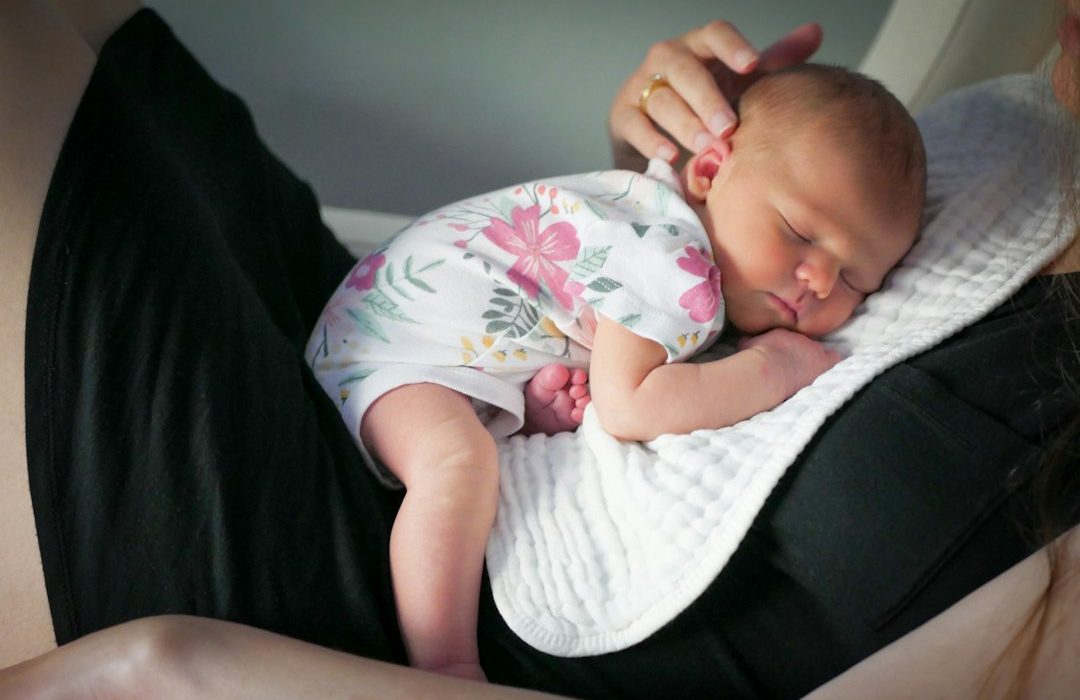
🧰 Tools & Gear You’ll Need
- A high-quality newborn-appropriate wrap carrier (e.g., Moby Wrap Evolution, Solly Baby Wrap, KeaBabies Baby Wrap)
- A comfortable outfit for both you and your baby
- A changing pad or clean surface for adjustments
- Optional: A small burp cloth or nursing cover
The Crucial Importance of Hip-Healthy Babywearing for Newborns
Babywearing offers unparalleled closeness and convenience, but for newborns, the ‘how’ is as critical as the ‘what.’ Especially when it comes to hip health. The soft, developing hips of a newborn require specific support to prevent potential long-term issues. Understanding this from the outset is not just about comfort; it’s about safeguarding your baby’s skeletal development.
Understanding Infant Hip Dysplasia and Wrap Carriers
Infant Hip Dysplasia (DDH) is a condition where the hip socket doesn’t fully form, or the head of the thigh bone slips out of the socket. While genetics and other factors play a role, external factors like improper positioning can exacerbate or contribute to it. Traditional swaddling that forces legs into a straight, extended position can be problematic. Wrap carriers, when used correctly, promote the “frog-leg” or “M” position, which is internationally recognized as the safest and most hip-healthy way to carry an infant. This position allows the hips to naturally splay outwards and the thigh bone to rest securely in the socket.

Why Proper Hip Support Matters from Day One
Newborns spend a significant amount of time being held, rocked, and soothed. The carrier becomes an extension of your arms, and therefore, its positioning directly impacts your baby’s developing body. A wrap carrier offers versatility, but this versatility demands correct technique. Insufficient support can lead to legs hanging straight down or being forced into unnatural angles, putting undue stress on the hip joints. Prioritizing the hip-healthy “M” position from the very first carry ensures you are actively supporting healthy hip development, not hindering it.
Choosing the Right Wrap Carrier for Your Newborn
Not all wrap carriers are created equal, and for a newborn, certain features are non-negotiable. The goal is a carrier that is soft, breathable, supportive, and easy to adjust to achieve that crucial hip-healthy carry.
Key Features for Newborn Safety and Comfort
When selecting a wrap, look for fabric that is a natural blend, like cotton or a bamboo blend. It should be soft enough to feel comfortable against your baby’s delicate skin but also have enough stretch and structure to hold its shape and provide support. A good wrap will be long enough to allow for multiple tying methods, offering adjustability as your baby grows. Avoid heavily padded or overly structured carriers for newborns; a simple, stretchy wrap typically offers the best tactile feedback for achieving a secure, custom fit. The fabric should also be breathable to prevent overheating.
Top Wrap Carrier Recommendations for Hip Support (2026)
While personal preference plays a role, some wraps consistently deliver on safety, comfort, and hip support for newborns.
Best Overall Wrap: Moby Wrap Evolution
The Moby Wrap Evolution is a favorite for a reason. It strikes an excellent balance between support and comfort. Made from a soft, stretchy cotton blend, it offers enough give for a snug fit without being overly restrictive. Its length allows for various tying methods, crucial for achieving the hip-healthy “M” position. It’s durable and holds up well to frequent washing.

Best Breathable Wrap: Solly Baby Wrap
For warmer climates or babies who tend to overheat, the Solly Baby Wrap is a superb choice. Made from a super-soft, lightweight Tencel/modal blend, it’s incredibly breathable and drapes beautifully. While it’s a lighter fabric, it still provides excellent support for newborns when tied correctly. Its stretch is forgiving, making it easier to achieve that perfect, snug fit that cradles your baby’s hips.
Best Budget-Friendly Wrap: KeaBabies Baby Wrap
The KeaBabies Baby Wrap is a solid option for those on a tighter budget. It’s typically made from a cotton blend, offering good support and comfort. While it might not have the same luxurious feel as premium brands, it’s perfectly capable of achieving a hip-healthy carry when tied properly. It’s a straightforward, reliable wrap that gets the job done.
Mastering the Newborn Wrap Carry: Step-by-Step Instructions
The magic of a wrap carrier lies in its ability to create a secure, womb-like environment for your baby while supporting their developing body. The “Front Wrap Cross Carry” is a fundamental and highly recommended method for newborns.
Preparing Your Wrap Carrier: Pre-tying Techniques
Before you place your baby in the wrap, you need to tie the carrier securely around yourself. Find the center mark on your wrap. Drape it over your shoulders like a bib, ensuring the fabric is spread wide. Cross the two ends at your back, bringing them forward to your front. Now, cross them over each other in front of your belly, then loop them around your back again, and finally bring them forward to tie them securely in a double knot. Ensure the fabric is spread evenly across your back and shoulders, not bunched up.

The Basic Wrap: Achieving a Secure and Hip-Healthy Newborn Hold
Once the wrap is secured around you, it’s time to place your baby.
Positioning the Wrap Fabric
With the wrap tied around you, create a horizontal “pocket” or “seat” with the top two layers of fabric in front of you. Spread the fabric wide across your chest, creating a comfortable base.
Creating the Leg Pouch for Hip Support
Gently bring your baby up towards the pocket. Take the fabric that is currently over your shoulder and bring it down over your baby’s back, ensuring it supports their neck and head. Now, take the fabric that is in front of you and spread it under your baby’s bottom. Critically, ensure this fabric goes all the way to the back of your baby’s knees, creating a deep pouch. This is the foundation for hip support.
Securing the Baby’s Legs and Hips
With the fabric deep under your baby’s bottom and reaching their knees, gently spread the fabric under each leg so that their knees are bent and higher than their bottom. Their legs should form a natural “M” shape. This is the physiologically correct, hip-healthy position. Ensure no fabric is pressing directly on the front of their thighs or knees, which could restrict circulation or healthy hip positioning.
Tightening the Wrap for a Snug Fit
Once the baby is positioned correctly, take the two ends of the wrap that you initially tied around you. Re-cross them over your baby’s back, pulling them snugly upwards to secure your baby close to your body. Tie a secure double knot at your front or side, ensuring it’s tight enough that your baby cannot shift or sag, but not so tight that it cuts off circulation or restricts breathing. You should feel the baby securely held against your torso, with no excessive slack in the fabric.

Advanced Newborn Wrap Techniques for Enhanced Support
Once you’ve mastered the basic carry, you can explore variations that offer even more support and comfort, particularly for longer wears or fussier babies.
The Hip-Healthy “Deep Carry” Method
The “Deep Carry” isn’t a specific tie, but rather an emphasis on achieving the correct depth and spread of fabric in the leg pouch. For newborns, this means ensuring the fabric goes *all the way* to the backs of their knees and that their knees are significantly higher than their hips, creating a deep, supportive seat. This encourages the most natural and hip-healthy position. Focus on spreading the fabric wide across your baby’s back and ensuring a snug, multi-layered embrace that distributes weight evenly.
Adapting the Wrap for Different Newborn Needs
For newborns with reflux, you might want to ensure the wrap keeps them in a slightly more upright position to aid digestion. For sleepy newborns, a very snug wrap can mimic the womb and help them settle. Always ensure the fabric is supporting their head and neck adequately, especially if they lack head control. If your baby is particularly wriggly, double-checking the tightness and the distribution of fabric after they’ve settled is key. Some wraps offer various tying methods (like the Double Hammock or a variation of the Front Wrap Cross Carry with an extra supportive layer) that can be beneficial.
Ensuring Safety and Comfort During Newborn Babywearing
Safety in babywearing isn’t just about the carrier itself, but how you use it. For newborns, vigilance is paramount.
The “TICKS” Rule Revisited for Newborn Wraps
The TICKS rule is a universally recognized safety checklist for babywearing. For newborns in wraps, it’s essential to apply it rigorously:
Tight
The wrap must be snug and secure, holding your baby close to your body. There should be no excess fabric or sagging. A loose wrap is a safety hazard.
In View at All Times
You should always be able to see your baby’s face. If they are hidden by fabric, adjust the wrap. Ensure their airway is clear and unobstructed by fabric folds.
Close Enough to Kiss
Your baby should be positioned high enough on your chest that you can easily kiss the top of their head without straining. This ensures they are close and secure.
Know That Your Baby Isn’t Wrongly Positioned
This is where hip support comes in. Ensure the fabric is supporting their legs in the “M” position, with knees bent and hips naturally splayed. Check that their back has a natural C-curve, not pushed flat or overly arched. Be mindful of any pressure points.
Support the Baby’s Back
Ensure the wrap fully supports your baby’s back, especially their neck and head if they lack independent head control. The fabric should cradle their body snugly.
Monitoring Your Newborn for Signs of Discomfort or Overheating
Newborns can’t tell you when they’re uncomfortable, too hot, or too cold. Regularly check on them. Feel the back of their neck – it should be warm and dry. If it’s sweaty, they are too hot. If it’s cold, they need an extra layer (for you or them). Look for signs of distress: excessive fussing, crying, turning red, or becoming lethargic. Adjust the wrap, remove layers, or take a break if needed.
Ergonomic Babywearing: What to Avoid for Newborns
For newborns in wrap carriers, avoid:
- Legs dangling straight down (risk of hip issues).
- Fabric bunching around the knees or cutting off circulation.
- Baby being positioned too low on the torso.
- A loose or sagging wrap.
- Baby being pushed flat against your chest, straightening their natural C-curve spine.
- Overheating due to too many layers or breathable-yet-insufficient fabric.
Always prioritize the hip-healthy “M” position and a snug, secure fit.
Common Newborn Babywearing Mistakes and How to Fix Them
Even experienced parents can make mistakes. Recognizing common pitfalls is the first step to fixing them.
Signs Your Newborn’s Hip Position Needs Adjustment
The most common indicator is that the fabric isn’t supporting the back of your baby’s knees, leading to legs hanging straight or being bunched up. Another sign is if you can easily slide your hand between your baby and your chest, indicating the pouch isn’t deep or snug enough. If your baby seems uncomfortable, fussy, or their hips look unevenly supported, it’s time for an adjustment. Always loosen and re-tie if in doubt.
Troubleshooting Loose Wraps and Sagging Pockets
This almost always comes down to not tightening the fabric enough during the tying process or not spreading the fabric wide enough. When you tie the wrap, focus on pulling each strand taut as you cross it. Ensure the fabric across your baby’s back and bottom is spread wide, distributing their weight evenly. If a pocket sags, it means the fabric wasn’t deep enough under the bottom or wasn’t pulled snugly upwards during the final tying stage. Re-tie, focusing on tension.
Addressing Newborns Who Resist Being Wrapped
Some newborns are sensitive to being confined. Try practicing when your baby is calm and fed. Ensure the wrap is tied securely *before* you pick them up. Introduce the wrap gradually, perhaps just for a few minutes at a time. Some babies dislike the initial confinement, but once they feel the warmth and closeness, they settle. Ensure their airway is always clear and they aren’t overheating, as these can be reasons for resistance. If your baby remains distressed, it might be worth consulting a babywearing educator or trying a different carrier type.
Frequently Asked Questions About Newborn Wrap Carrying
How long can I safely babywear my newborn in a wrap?
You can babywear your newborn for as long as they are comfortable and you are comfortable. The key is to ensure proper positioning (hip-healthy “M” shape, clear airway) and to monitor for signs of discomfort or overheating. Listen to your baby’s cues and take breaks as needed. Newborns often benefit from short, frequent periods of being worn.
When is my newborn ready for a different type of carrier?
Most newborns can be safely and comfortably worn in a wrap carrier from birth. As they grow heavier and stronger, you might find other carriers, like structured soft-structured carriers (SSCs) or ring slings, become more appealing for ease of use or specific carrying positions. However, many babies remain happily babyworn in wraps for many months. The transition depends on your baby’s development, weight, and your personal preference, but a wrap is almost always suitable for newborns.
What are the signs of hip dysplasia in newborns?
Signs can include unequal thigh creases, one leg appearing shorter than the other, limited range of motion in one hip, or a clicking sound when the hip is moved. Sometimes, there are no obvious signs. This is why promoting the hip-healthy “M” position during all babywearing and even diaper changes is crucial, as it supports healthy development regardless of whether there’s an underlying issue.
How do I ensure my newborn’s airway is always clear in a wrap?
Ensure your baby’s face is visible and not pressed into the fabric. Their chin should be off their chest, allowing for easy breathing. The fabric should support their body in a C-curve, not push their chin down. Always check that their nose and mouth are unobstructed. If you can’t see their face easily, the wrap is likely too tight or positioned incorrectly.
Beyond the Wrap: Transitioning to Other Carriers (When the Time is Right)
While wraps are excellent for newborns, your baby’s needs and your preferences will evolve. As your baby gains head control, grows heavier, and becomes more curious about the world, you might explore ring slings for quick ups and downs, meh dais for a blend of wrap comfort and structured ease, or soft-structured carriers (SSCs) for back carries and longer adventures. However, the principles of ergonomic carrying – hip support, spinal alignment, and secure fit – remain paramount regardless of the carrier type.