The decision between disposable and cloth diapers is one of the first major financial and lifestyle considerations for new parents. While disposables offer undeniable convenience, their long-term cost and environmental impact are significant. Cloth diapers, though requiring an initial investment and more effort, can offer substantial savings and a gentler footprint. In 2026, with evolving product technology and a heightened awareness of sustainability, understanding the true annual cost and laundry workload is more critical than ever for making an informed choice.
Unveiling the Real Costs: Beyond the Price Tag
The sticker price of a single pack of diapers is a poor indicator of the true financial commitment. When factoring in the entire diapering period, often 2.5 to 3 years, the costs diverge significantly.
The Upfront Investment: Cloth Diaper Kits
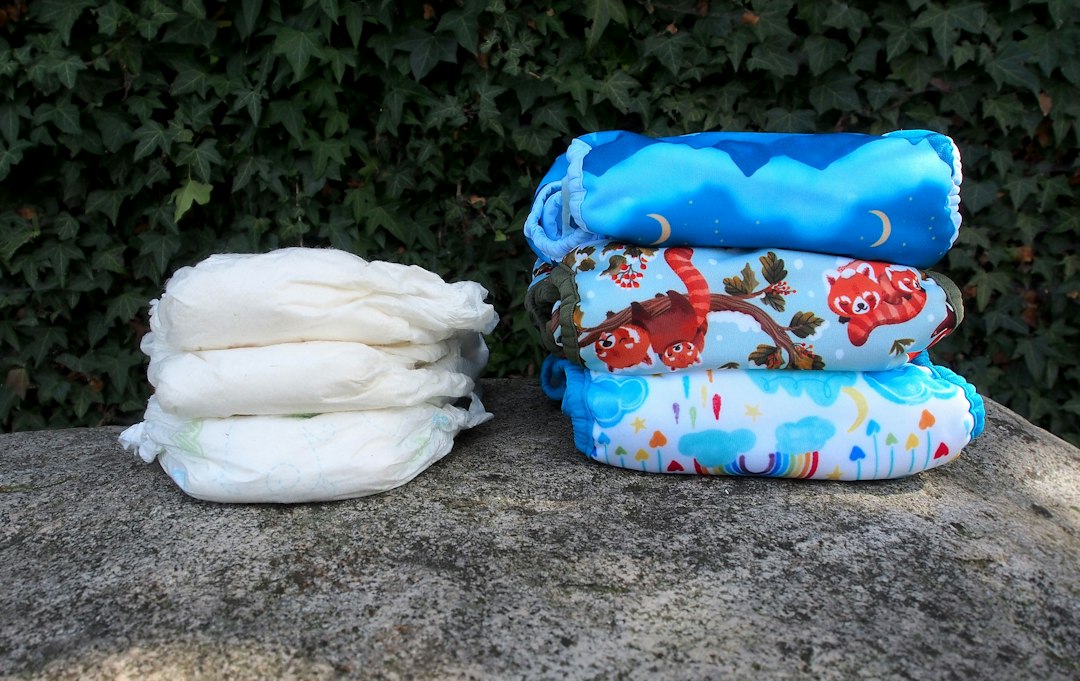
Cloth diapering requires an initial outlay for a stash of diapers, covers, and inserts. Modern cloth diapers come in various styles—all-in-ones (AIOs), all-in-twos (AI2s), pockets, and prefolds with covers—each with different price points. A full stash for a newborn might range from 20-30 diapers, plus waterproof covers. For a toddler, this number might slightly increase. The investment can range from $300 to $800, depending on the brand, type, and whether you opt for new or used items. Some brands offer starter kits that bundle essential items, often at a slight discount.

Ongoing Expenses: Disposables vs. Washables (Detergents, Utilities)
Disposables, while seemingly zero-maintenance, rack up costs with every purchase. A moderately heavy wetter might use 8-10 diapers per day as a newborn, tapering down to 4-6 by toddlerhood. Multiplying this by an average daily cost of $0.25-$0.40 per diaper over 30 months translates to a substantial sum. For example, using 7 diapers a day at $0.30 each results in $2.10 daily, $63 monthly, and $2,205 over 30 months. Cloth diapers, on the other hand, have minimal recurring costs primarily involving detergent and, for some, diaper liners. High-efficiency detergents are recommended, and the cost can be estimated at $5-$15 per month, depending on usage and brand.
Hidden Costs: Water, Electricity, and Wear & Tear on Machines
The “free” washing of cloth diapers comes with its own set of hidden costs. Increased laundry loads mean higher water and electricity bills. A typical washing machine cycle uses 15-30 gallons of water, and dryers consume significant energy. Assuming 3-5 extra loads of cloth diapers per week (including washing, rinsing, and potentially drying cycles), this can add $20-$50 to monthly utility bills, depending on local rates and machine efficiency. Furthermore, the increased frequency of washing can lead to faster wear and tear on washing machines and dryers, potentially shortening their lifespan and leading to earlier replacement costs.

Potential Savings: Resale Value and Long-Term Economics
One significant advantage of cloth diapers is their potential resale value. Well-maintained cloth diapers, especially popular brands or those made from natural fibers, can often be sold secondhand for 40-60% of their original cost. This recoups a portion of the initial investment. When considering the total cost over 2.5-3 years, a family opting for cloth diapers can potentially save $1,000 to $2,000 or more compared to disposables, especially if they buy used, sell used, and utilize efficient washing practices. For instance, a $500 initial investment in cloth diapers, with a $250 resale value, results in a net cost of $250 plus minimal utility and detergent expenses. In contrast, the $2,000+ spent on disposables offers no return.
The Laundry Gauntlet: Quantifying the Workload
The most frequently cited drawback of cloth diapers is the perceived overwhelming laundry workload. Quantifying this reveals the true time and effort involved.
Frequency and Load Size: How Many Diapers Per Day?
Newborns can go through 10-12 diapers a day, while older babies might use 6-8. This translates to roughly 40-80 diapers per week that need to be washed. Modern cloth diapering systems often involve pre-rinsing or scraping solids into the toilet before placing soiled diapers in a wet bag or pail. Washing typically involves a cold rinse cycle, followed by a hot wash with detergent, and sometimes a second rinse. This process usually needs to be repeated every 1-3 days to prevent odor buildup and mildew.
Time Commitment: Washing, Drying, and Folding Cycles
While the washing machine does the heavy lifting, the time commitment isn’t negligible. If washing every two days, this means 3-4 wash cycles per week. Each cycle, including loading, unloading, and transferring to the dryer or line, can take 10-15 minutes. Drying can take 45-60 minutes in a dryer or several hours on a line. Folding and stuffing inserts into pockets or covers, if necessary, adds another layer of time, potentially 15-30 minutes per laundry session. In total, this could amount to 3-5 hours of active laundry work per week, dedicated solely to diapers, on top of regular household laundry.

Impact on Household Chores and Parent Sanity
The constant cycle of diaper laundry can feel relentless and can significantly disrupt the flow of other household chores. Parents may find themselves prioritizing diaper washing over other tasks, leading to a feeling of being perpetually behind. This added responsibility can contribute to parental stress and fatigue, especially in the early, sleep-deprived months. The mental load of ensuring diapers are always clean and ready can be substantial.
Energy and Water Consumption: Environmental Footprint
While cloth diapers eliminate the solid waste associated with disposables, their environmental footprint is not zero. The energy and water required for washing and drying are considerable. Studies vary widely, but the overall lifecycle environmental impact, considering manufacturing, transportation, washing, and disposal, often shows cloth diapers having a lower impact than disposables, particularly when washed in energy-efficient machines, line-dried, and used for multiple children. However, inefficient washing practices (e.g., using hot water for every cycle, frequent high-heat drying) can significantly increase the environmental cost, potentially negating some of the benefits.
Key Factors Influencing Your Decision
Beyond cost and workload, several other factors play a crucial role in determining the best diapering method for a family.
Baby’s Skin Sensitivity and Health Concerns
Some babies experience fewer rashes and less irritation with cloth diapers, as they are often made from natural fibers like cotton, bamboo, or hemp, which are breathable and free from the chemicals, fragrances, and gels found in some disposable diapers. However, improper washing of cloth diapers can lead to ammonia buildup, which can also cause rashes. Conversely, some babies do well in disposables, especially those with advanced absorbency features. For babies with extremely sensitive skin or allergies, a trial-and-error approach might be necessary.
Environmental Impact: Waste vs. Resources
Disposable diapers contribute significantly to landfill waste. Each baby can generate hundreds of pounds of diaper waste annually. While cloth diapers require resources for manufacturing and considerable water/energy for laundering, their reusable nature drastically reduces landfill contributions. The “greenest” choice often depends on how the cloth diapers are laundered and how long they are used. Using a modern, efficient washing machine, line-drying, and using the diapers for subsequent children are key to maximizing their environmental benefit.
Convenience and Lifestyle: Travel, Daycare, and Nanny Considerations
Disposables undeniably win on convenience, especially when traveling, visiting relatives, or when a baby is in the care of someone unfamiliar with cloth diapering (e.g., daycare, a nanny). Packing a few days’ worth of disposables is far simpler than managing a wet bag and a stash of dirty cloth diapers. For families who travel frequently or have non-cloth-savvy caregivers, disposables may be a more practical solution, or a hybrid approach of using cloth at home and disposables when out might be adopted.
Personal Values and Eco-Consciousness
For many parents, the decision is deeply rooted in personal values. Those prioritizing a reduced environmental footprint, a desire to avoid chemicals against their baby’s skin, or a commitment to more traditional parenting methods may lean towards cloth. Others may prioritize minimizing their own workload and maximizing convenience, finding disposables align better with their lifestyle and stress levels. There is no single “right” answer, as it depends on what aspects of parenting a family prioritizes.

Real-World Comparisons: Parent Testimonials and Expert Insights
Anecdotal evidence and expert opinions provide valuable context for the decision-making process.
Families Who Switched: Reasons and Outcomes
Many parents who switch to cloth diapers report significant cost savings, often recouping their initial investment within the first year. They also frequently note a reduction in diaper rash for their babies and a sense of satisfaction from reducing their household waste. Challenges often mentioned include the initial learning curve, managing the laundry, and occasional blowouts that require more intensive cleaning. However, most parents who embrace cloth find the benefits outweigh the drawbacks.
Daycare and Sitter Perspectives on Diapering Methods
Daycares and babysitters often prefer disposables due to the perceived ease of use and reduced biohazard handling. Managing a pail of dirty cloth diapers and the specific washing requirements can be burdensome for a paid caregiver. Some daycares may not allow cloth diapers at all, while others may accommodate them with clear instructions and potentially an extra fee. This logistical hurdle is a primary reason many families opt for disposables, at least during daycare hours.
Expert Advice on Reducing Diapering Costs and Workload
Experts in early childhood finance and sustainability often advise a personalized approach. They suggest calculating potential savings based on local utility rates, detergent costs, and the number of diapers used. For those considering cloth, advice includes buying a smaller starter stash initially, purchasing used diapers in good condition, line-drying whenever possible, and using high-efficiency wash cycles. Some suggest a hybrid approach: using cloth at home and disposables for outings or when convenience is paramount. Experts also highlight the importance of choosing a cloth diaper system that fits the family’s lifestyle and washing capabilities.
Making the Smart Choice for Your Family in 2026
Ultimately, the best diapering choice is one that balances cost, convenience, environmental impact, and personal values for your specific family situation.
Calculating Your Personalized Cost and Workload
To make an informed decision, create a personalized budget. Estimate the total cost of disposables for 2.5-3 years. For cloth, calculate the initial investment, add estimated annual costs for detergent and increased utilities, and factor in potential resale value. Similarly, realistically assess the weekly time commitment for cloth diaper laundry and how it fits into your existing household routine. Consider your available time, energy levels, and tolerance for extra chores.
Strategies for Simplifying Cloth Diapering
Modern cloth diapering is far simpler than its predecessors. All-in-one diapers function much like disposables, with no complicated folding or stuffing required. Utilizing a good quality diaper pail with a lid and a wet bag for outings minimizes mess and odor. Washing every 2-3 days, using a reliable wash routine (often found on cloth diapering blogs or manufacturer sites), and line-drying can reduce both workload and environmental impact. Hiring a local cloth diaper service is another option for those who want the benefits of cloth without the laundry, though this adds a recurring cost.
When Disposables Might Still Be the Better Option
Disposables remain a practical choice for families who: frequently travel, rely heavily on external caregivers who are unwilling or unable to manage cloth, have very limited access to laundry facilities, or have a very tight budget that cannot accommodate the upfront cost of cloth diapers. For some, the sheer desire for maximum convenience and minimal chore addition is a valid reason. It’s also important to remember that many families use a combination, opting for cloth at home and disposables for travel or daycare.
👑 Ultimate Winner: Personalized Choice for 2026
The “winner” in the disposable vs. cloth diaper debate in 2026 is not a single product, but the solution that best aligns with a family’s unique circumstances, priorities, and lifestyle. For families prioritizing long-term cost savings, environmental impact reduction, and potentially fewer diaper rashes, cloth diapers offer significant advantages, provided they can manage the initial investment and the added laundry workload. This choice is often favored by parents with strong eco-conscious values, more time flexibility, and access to efficient laundry facilities. Conversely, for families where convenience, ease of use, minimal time commitment, and flexibility for travel or external care are paramount, disposable diapers remain the more practical and less demanding option. The key is to conduct a thorough personal cost-benefit analysis, considering both financial and time expenditures, before committing to a diapering strategy.