🧰 Tools & Gear You’ll Need
- Insulated lunch bag
- Ice packs
- Bento box or compartmentalized containers
- Thermos for hot foods
- Small containers for dips and sauces
- Cookie cutters (optional)
- Food picks (optional)
- Reusable snack bags
- Water bottle
The Ultimate Guide to Packing School Lunches Your Kids Will Devour
Why Kid-Approved Lunches Matter More Than You Think
Let’s cut to the chase: a rejected lunchbox is a wasted lunchbox, and a wasted lunch means a hungry kid struggling to focus. It’s not just about filling their bellies; it’s about fueling their brains and bodies for a day of learning and play. When kids actually eat the food you pack, they get the nutrients they need for sustained energy, better concentration, and improved mood. Plus, it saves you money and reduces food waste. The bottom line? Packing lunches your kids will eat isn’t a luxury; it’s a necessity for their well-being and academic success.
Decoding “Balanced”: The Nutritional Pyramid for School Lunches
Forget the old food pyramid. For school lunches, think of a balanced plate: roughly half fruits and vegetables, a quarter lean protein, and a quarter whole grains, with a small portion of healthy fats. This isn’t about rigid rules; it’s a flexible framework. We’re aiming for variety across the week, ensuring a good mix of macronutrients (carbs for energy, protein for satiety and growth, fats for brain function) and micronutrients (vitamins and minerals). This diverse fuel keeps kids sharp and energized, preventing the dreaded mid-afternoon slump.

Sneaky Strategies: Hiding Nutrients Without the Fuss
This is where the “hard-boiled veteran” parenting tactics come in. Kids often eat with their eyes first, and their taste buds can be… discerning. The trick is to integrate nutrient-dense foods without them becoming the main event. Think finely grated zucchini or carrots in muffins, pureed cauliflower blended into mac and cheese sauce, or spinach blended into smoothies. For picky eaters, focus on texture and familiar formats. A crunchy baked veggie chip can be just as appealing as a potato chip, but offers way more goodness. It’s about making healthy choices the *easy* choices for them.
The 10 Pillars of a Successful School Lunch Box
Pillar 1: The Main Event – Beyond the PB&J
The sandwich is a lunchbox staple, but it doesn’t have to be boring. Break free from the PB&J rut with these ideas:
Creative Sandwich & Wrap Ideas That Aren’t Boring
Roll-ups: Use tortillas or flattened bread, spread with cream cheese or hummus, add a thin layer of turkey or ham, a spinach leaf, and roll tightly. Slice into pinwheels. This works wonders for kids who dislike crusts or bulky bread.
DIY Lunchables: Pack whole-grain crackers, cheese slices (cut into shapes with cookie cutters!), and lean deli meat or shredded chicken. Let them assemble their own!
Mini Bagels or Pitas: Fill mini bagels or whole wheat pita pockets with lean protein, cheese, and a lettuce leaf. Easier for small hands to manage.
Leftover Magic: Transforming Dinner into Lunch
Don’t underestimate the power of last night’s dinner. Cooked chicken breast can be shredded for wraps, pasta dishes are often just as good cold (or kept warm in a thermos), and even roasted vegetables can make a comeback. This is a massive time-saver and a proven way to reduce food waste.

Hot Lunch Options for the Thermos Pro
A thermos isn’t just for soup. Think chili, pasta with sauce, meatballs, or even mac and cheese. Preheating the thermos with boiling water for 5-10 minutes before adding the hot food makes a huge difference in keeping it warm until lunchtime.
Preheat Your Thermos
Boil water and carefully pour it into the empty thermos. Screw on the lid and let it sit for at least 5 minutes. Discard the hot water just before adding the lunch.
Pack It Hot
Fill the preheated thermos with piping hot food. Don’t overfill; leave a little space at the top. Screw the lid on tightly immediately.
Cooler Bag Security
Place the packed thermos in an insulated lunch bag, preferably with an ice pack, to maintain temperature stability.
Pillar 2: The Crucial Carb – Fueling Their Day
Carbohydrates are the primary energy source for growing brains and bodies. Focus on complex, whole-grain options that provide sustained energy release, preventing sugar crashes.
Whole Grains Variety: Breads, Pastas, and Beyond
Opt for 100% whole wheat bread, pasta, crackers, and brown rice. Look for options with at least 3 grams of fiber per serving. Quinoa and barley are also great additions to salads or bowls.
Sweet Potato Fries & Other Unexpected Wins
Baked sweet potato fries (homemade or store-bought, watch the sodium!) can be a hit. Other ideas include whole-grain mini muffins, popcorn (for older kids, mindful of choking hazards for younger ones), or even homemade granola bars.
Pillar 3: Protein Power – Sustained Energy & Focus
Protein is essential for muscle growth, repair, and keeping kids feeling full and focused. Aim for lean, easily digestible sources.
Lean Meats & Poultry: Easy-to-Eat Options
Sliced turkey, ham, roast beef, or grilled chicken breast are all excellent. Cut them into bite-sized pieces or roll them up.
Plant-Based Proteins: Beans, Lentils, and Tofu Twists
Hummus is a fantastic dipper for veggies and crackers. Black bean or lentil salads, baked tofu cubes (marinated for flavor!), or edamame are great additions. These are often overlooked powerhouses of nutrition.
Dairy & Alternatives: Cheese Sticks and Yogurt Tubes
String cheese, cheese cubes, or yogurt tubes (choose lower sugar options) provide calcium and protein. For dairy-free kids, look for fortified soy, almond, or oat-based yogurts and cheese alternatives.
Pillar 4: Veggie Victory – Making Greens Appealing
This is often the toughest battleground. The key is presentation and pairing veggies with dips or familiar flavors.

Dippable Delights: Hummus, Ranch, and Edible Rainbows
Carrot sticks, cucumber slices, bell pepper strips, snap peas, and cherry tomatoes are great candidates. Pack a small container of hummus, ranch dressing, or even guacamole for dipping. Kids love to dip!
Roasted & Steamed: Sweet Carrots and Broccoli Bites
Roasting vegetables like broccoli, cauliflower, or sweet potatoes can bring out their natural sweetness. Lightly steam green beans or asparagus. Ensure they are cooled completely before packing.
The Hidden Veggie Hack: Purees in Sauces & Muffins
As mentioned, pureed veggies are your secret weapon. Blend cooked carrots, zucchini, or cauliflower into pasta sauces, quesadilla fillings, or savory muffins. This is stealth nutrition at its finest.
Pillar 5: Fruit Fiesta – Natural Sweetness & Vitamins
Fruits offer natural sweetness, fiber, and a load of vitamins. Prioritize ease of eating and minimal mess.
Easy Grab & Go Fruits: Berries, Grapes, and Melon
Berries (strawberries, blueberries, raspberries), grapes (cut lengthwise for younger children to prevent choking), melon chunks (cantaloupe, honeydew), and orange slices are perfect. Wash and prep them the night before.
Fun Shapes & Skewers: Making Fruit Exciting
Use small cookie cutters to shape melon slices or pineapple. Fruit skewers (use blunt-ended ones for safety) with a variety of colorful fruits can make them more appealing.
Dried Fruit Delights: Portion Control is Key
Raisins, apricots, or mango slices can be a nice addition, but be mindful of the concentrated sugar. Stick to small portions and pair them with protein or fats to balance the sugar impact.
Pillar 6: Healthy Fats – Brain Food Essentials
Healthy fats are crucial for brain development and satiety. Don’t shy away from them!
Avocado Power: Slices, Spreads, and Guac Cups
Avocado slices, mashed avocado spread on crackers, or a small container of guacamole are great options. A squeeze of lemon or lime juice helps prevent browning.
Nut Butter & Seed Butter Alternatives
Peanut butter, almond butter, sunflower seed butter (a great option for nut-free schools), or tahini can be spread on crackers, used as a dip for apple slices, or incorporated into energy bites.
Olive Oil & Seeds: Sprinkled for Goodness
A sprinkle of chia seeds, flax seeds, or sunflower seeds on yogurt or salads adds healthy fats and fiber. Using olive oil-based vinaigrettes for salads is another good source.
Pillar 7: The “Treat” Factor – Moderation & Smart Choices
A lunchbox isn’t a prison sentence; a small, occasional treat can make it feel special. The key is moderation and making it count nutritionally.
Homemade Goodies: Muffins, Cookies, and Energy Bites
Bake mini muffins (add shredded zucchini or carrots!), oatmeal cookies, or energy bites made with oats, dates, and seeds. These allow you to control the sugar and ingredients.

Smart Store-Bought Options: Read the Labels!
If buying treats, look for options low in added sugar, high in fiber, and with recognizable ingredients. Think whole-grain crackers, fruit leather with no added sugar, or small portions of dark chocolate.
Pillar 8: Hydration Station – Beyond Sugary Drinks
Dehydration can lead to fatigue and poor concentration. Water is the best choice.
Water is King: Tips to Encourage Sipping
Pack a reusable water bottle every day. Encourage kids to drink water throughout the day. Adding a slice of lemon, cucumber, or a few berries can make water more appealing.
Milk & Alternatives: Keeping it Cool
If packing milk or a dairy alternative, ensure it stays cold with an ice pack. Small juice boxes can be a treat, but prioritize water due to sugar content.
Pillar 9: Presentation Matters – The Visual Appeal
Kids eat with their eyes. Making the lunchbox visually appealing can significantly increase the chances of it being eaten.
Bento Box Brilliance: Compartmentalizing Fun
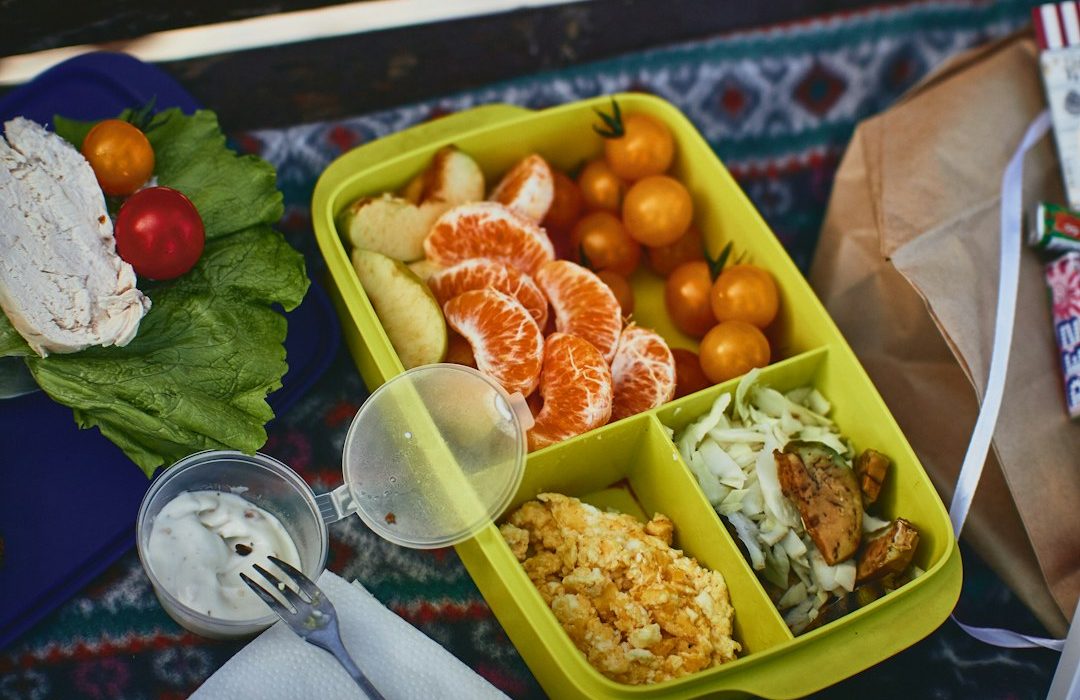
Bento boxes are fantastic for keeping different foods separate and visually organized. They encourage variety and make the lunch look more interesting.
Choose the Right Box
Select a bento box with multiple compartments. Silicone dividers or reusable muffin liners can also help create distinct sections within a larger container.
Fill Compartments Strategically
Place the main item (sandwich, wrap) in the largest compartment. Use smaller sections for fruits, veggies, crackers, and a small treat.
Add Visual Interest
Use colorful foods. Cut sandwiches into fun shapes. Add a small silicone cupcake liner for dips or berries.
Cookie Cutters & Molds: Shaping Their Appetite
Use cookie cutters to make fun shapes out of sandwiches, cheese slices, melon, or even harder fruits like apples (though these can brown quickly).
Cute Food Picks & Silicone Liners
Animal-shaped food picks can make fruit skewers or cheese cubes more engaging. Silicone cupcake liners are great for holding small items like berries or nuts, and they add a pop of color.
Pillar 10: Food Safety First – Keeping it Fresh & Safe
Ensuring the food is safe to eat is paramount. This requires proper packing and handling.
Insulated Lunch Bags & Ice Packs Essentials
Always use an insulated lunch bag and at least one frozen ice pack, especially for perishable items like dairy, meats, and eggs. In warm weather, consider two ice packs.
Safe Food Handling Practices for Busy Mornings
Wash hands thoroughly before packing. Ensure all foods are properly cooked and cooled before packing. Keep raw meats and poultry separate from ready-to-eat foods during preparation.
Avoiding Common Contaminants
Be mindful of cross-contamination. Use clean utensils and surfaces. Avoid packing foods that spoil easily if not kept consistently cold, such as mayonnaise-based salads left at room temperature for too long.
Tackling Common Lunch Box Battles: Troubleshooting Tips
Picky Eaters Anonymous: Strategies That Actually Work
Involve them: Let them choose between two healthy options. Offer a “build-your-own” lunch component (like a taco salad kit). Keep offering a variety of foods, even if they’ve rejected them before – it can take multiple exposures.
The “I Hate This” Lunch: When Rejection Strikes
Don’t take it personally. Ask calmly what they didn’t like (texture, taste, appearance?). If it’s a recurring issue, tweak the presentation or ingredients. Sometimes, a simple change like cutting a sandwich differently or adding a new dip can make all the difference. If they consistently reject a specific food, swap it out for a different healthy alternative.
Time Crunch Tactics: Packing Lunches in Under 10 Minutes
Prep ahead: Wash and chop fruits/veggies on the weekend. Make a batch of muffins or energy bites. Portion out snacks into reusable bags. Use leftovers strategically. On busy mornings, a pre-assembled bento box from the night before is a lifesaver.
Sunday Prep Session
Wash and cut fruits and vegetables. Bake a batch of muffins or hard-boil eggs. Cook extra chicken or pasta for leftovers.
Night Before Assembly
Pack non-perishables (crackers, dried fruit) and prepare the main items (sandwiches, wraps). Portion out dips.
Morning Blitz (Under 5 Mins)
Add perishable items (yogurt, cheese), pack the ice pack, and close the lunch bag. Done.
Allergy-Aware Packing: Navigating Common Intolerances
Read labels meticulously for hidden allergens. Use dedicated, clean containers and utensils. Communicate clearly with the school and caregivers about your child’s specific needs. For nut-free schools, always opt for certified nut-free products and avoid cross-contamination.
Reducing Food Waste: Smart Portions & Creative Repurposing
Pack appropriate portion sizes – often, less is more for kids. If there are leftovers, see if they can be incorporated into another meal or snack. For example, leftover roasted chicken can become chicken salad the next day.
Essential Gear & Gadgets for the Modern Lunch Packer (2026)
Top Bento Boxes for Every Age Group
For toddlers, look for simple, easy-to-open boxes with few compartments. Elementary kids often love colorful bento boxes with fun designs. Teens might prefer more adult-looking, larger capacity options or insulated containers.
Best Insulated Lunch Bags & Thermoses
Invest in a good quality insulated lunch bag that fits your child’s lunchbox and a thermos. Brands like Hydro Flask, Stanley, or even reliable store brands offer excellent insulation. For thermoses, stainless steel options are generally Best for heat retention.
Fun & Functional Lunch Accessories
Cookie cutters, fun-shaped silicone molds, colorful food picks, and reusable snack bags can elevate the lunchbox experience. Don’t forget a durable, leak-proof water bottle!
Must-Have Food Storage Containers
A variety of small, leak-proof containers for dips, sauces, and small portions are essential. Glass or stainless steel containers are durable and easy to clean, while BPA-free plastic options are lightweight.
Kid Involvement: Empowering Your Child in Lunch Making
Age-Appropriate Tasks for Little Chefs
Even young children can help. Toddlers can wash produce, older kids can assemble sandwiches, spread ingredients, or pack their own snacks. Giving them ownership increases the likelihood they’ll eat what they pack.
Creating a Lunch “Wish List” Together
Sit down with your child and brainstorm lunch ideas they’d like to try. Write them down. This gives them a sense of control and helps you discover new favorites.
Teaching Nutrition Basics Through Lunch Planning
Use lunch packing as a teaching moment. Explain why protein helps them run faster, why fruits give them energy, and why vegetables help them grow strong. Keep it simple and relatable.
Real-Life Lunch Box Examples & Inspiration Galleries
Toddler & Preschooler Lunch Ideas
Mini quesadillas cut into wedges, soft fruit pieces (berries, banana slices), cheese cubes, whole-grain crackers, and a small yogurt pouch. Keep items bite-sized and easy to manage.
Elementary Schooler Lunch Box Makeovers
A whole wheat wrap with turkey and avocado, carrot sticks with hummus, apple slices, and a small homemade cookie. Add a fun note or a colorful silicone liner for appeal.
Teenager Approved Lunch Solutions
Heartier options like a thermos of chili or pasta, a substantial sandwich on whole grain bread, a side salad with a protein boost (like chickpeas or grilled chicken), and a piece of fruit. Convenience is key for busy teens.
Theme Day Lunches: Fun & Festive Ideas
“Taco Tuesday” lunch could include seasoned ground turkey, cheese, salsa, and tortilla chips in separate compartments. “Under the Sea” could feature fish-shaped crackers, blue jello cups, and cucumber slices.