🧰 Tools & Gear You’ll Need
- Large, heavy-bottomed pots and pans
- Sharp chef’s knife and cutting board
- Baking sheets
- Oven-safe dishes (casserole dishes, baking pans)
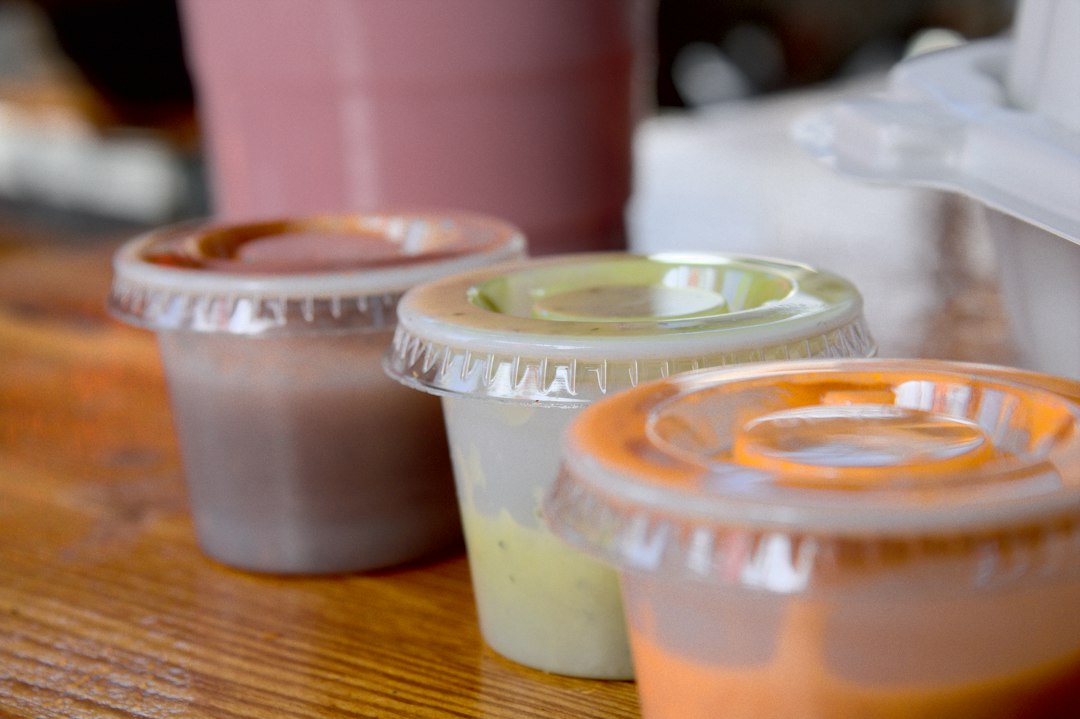
- Airtight freezer-safe containers (glass or BPA-free plastic)
- Freezer bags (heavy-duty, freezer-specific)
- Aluminum foil
- Plastic wrap
- Permanent marker and labels
- Measuring cups and spoons
- Spatulas and stirring spoons
- Cooling racks
- Optional: Food processor, slow cooker, Instant Pot
The Ultimate Guide to Batch Cooking Freezer Meals for Busy Families
The weeknight dinner scramble is a reality for most busy families. Between work, school, extracurricular activities, and the general chaos of daily life, finding the time and energy to prepare a wholesome meal can feel like an insurmountable task. This is where the power of batch cooking and freezing comes in. By dedicating a few hours to preparing meals in advance, you can transform your freezer into a time-saving haven, ready to dispense delicious, home-cooked dinners at a moment’s notice. This guide is your no-nonsense, veteran-approved roadmap to mastering the art of freezer meal prep, ensuring that even on the most hectic evenings, a satisfying and healthy meal is just minutes away from your oven or microwave.
Why Batch Cooking is a Lifesaver for Weeknights
Let’s cut to the chase: weeknights are brutal. The temptation to opt for unhealthy takeout or frozen processed meals is immense, but it doesn’t have to be your default. Batch cooking is your secret weapon against the weeknight dinner slump. It’s not about gourmet cooking; it’s about strategic preparation that yields maximum results with minimum daily effort. Think of it as a strategic investment of your time on a less busy day (like a Sunday afternoon) that pays dividends throughout the week. The benefits are tangible: reduced stress, significant time savings, healthier eating habits, and substantial cost savings compared to eating out. You gain control over your family’s nutrition and avoid the dreaded “What’s for dinner?” panic.
Planning Your Freezer Meal Prep: What to Cook First
Strategic planning is the bedrock of successful batch cooking. Before you even preheat the oven, you need a solid plan. Start by taking inventory of your freezer’s current contents and your family’s favorite meals. What dishes do they devour? Which ones reheat well? Focus on recipes that are relatively forgiving and don’t require last-minute fresh components that might degrade during freezing and reheating. Think about meals that are naturally saucy, hearty, or baked, as these tend to hold up best. Consider your week’s schedule – are there any particularly demanding nights where a quick reheat will be a lifesaver? Prioritize those meals. Also, assess your available freezer space. Overstuffing is a recipe for freezer burn and disorganization.

Top Family-Friendly Dinners Perfect for Freezing
Not all meals are created equal when it comes to freezing. Some ingredients turn mushy, others lose their flavor, and some just don’t stand up to the freeze-thaw cycle. The key is to select recipes that are robust and designed for make-ahead success. These categories consistently perform well, offering delicious results that rival freshly cooked meals.
Sheet Pan Dinners: The Ultimate Make-Ahead Heroes
Sheet pan dinners are genius for weeknights, and they translate remarkably well to batch cooking. The concept is simple: protein, vegetables, and seasonings all roasted together on a single pan. For freezing, prepare the entire meal, let it cool completely, and then portion it into freezer-safe containers. When reheating, you might want to add a splash of liquid or crisp up the veggies under the broiler for a few minutes to restore texture. Think chicken and roasted vegetables, sausage and peppers, or even salmon with asparagus. The trick is not to overcook initially, as reheating will add more cooking time.
Hearty Soups & Stews: Comfort Foods That Freeze Beautifully
Soups, stews, chilis, and curries are arguably the champions of the freezer meal world. Their liquid base acts as a natural preservative, and the flavors often meld and deepen after freezing and reheating. These are perfect for batch cooking in large pots. Ensure you cool them completely before portioning into airtight containers or heavy-duty freezer bags. When reheating, you can add a bit of broth or water if the consistency has thickened. Avoid adding delicate herbs like fresh parsley until just before serving, as they can lose their vibrancy.

Casseroles & Bakes: Batch Cook Staples That Reheat Well
Casseroles, bakes, gratins, and lasagna are inherently designed for make-ahead convenience. Assemble the entire dish, let it cool, and then freeze it either in its original baking dish (if freezer-safe and you have space) or portioned out. For best results, thaw overnight in the refrigerator before reheating in the oven. This allows for even heating without drying out the edges. If reheating from frozen, cover tightly with foil to prevent the top from burning and increase the cooking time significantly. Be mindful of creamy sauces, which can sometimes separate upon reheating; a gentle stir halfway through can help.
Pasta & Rice Dishes: Quick Meals Ready to Go
Many pasta and rice dishes freeze well, provided they aren’t overly sauced or contain ingredients that become mushy. Lasagna, baked ziti, and rice pilafs are excellent candidates. For pasta, it’s often best to slightly undercook it before freezing, as it will continue to cook during reheating. Avoid dishes with delicate vegetables or creamy sauces that might break. Portioning into individual servings makes reheating incredibly fast for lunches or quick dinners. Add a splash of water or broth when reheating pasta dishes to prevent them from sticking.
Essential Freezing Techniques for Maximum Freshness
Simply shoving food into the freezer isn’t enough. Proper techniques are crucial for preserving quality, flavor, and texture, and for preventing the dreaded freezer burn. Mastering these steps will elevate your freezer meals from “just okay” to surprisingly delicious.
Choosing the Right Containers: Airtight is Key
The enemy of frozen food is air. Air leads to freezer burn – those dry, icy patches that ruin texture and flavor. Invest in high-quality, airtight containers. Heavy-duty freezer bags (designed specifically for freezing, not just regular plastic bags) are excellent for liquids and free-form items. For more solid items or casseroles, use rigid, BPA-free plastic or glass containers with tight-fitting lids. When using freezer bags, squeeze out as much air as possible before sealing. For extra protection, double-bag items or use the water displacement method for sealing bags.
Proper Cooling and Portioning for Best Results
Never place hot food directly into the refrigerator or freezer. This raises the internal temperature of your appliance, potentially compromising other foods and creating a breeding ground for bacteria. Allow cooked food to cool on the counter for no more than an hour, or use a shallow pan to speed up cooling in the refrigerator. Once cooled, portion meals into servings suitable for your family. Individual portions are ideal for busy weeknights, allowing you to reheat only what you need. Avoid overfilling containers, leaving a little headspace for expansion, especially with liquids.

Labeling Strategies: Never Guess What’s in the Freezer Again
A disorganized freezer is a recipe for forgotten food and wasted effort. Label everything clearly with the contents and the date it was frozen. Use a permanent marker on the container or a dedicated freezer label. Be specific: instead of “Chicken,” write “Chicken Casserole – 11/15/2023.” This prevents confusion and ensures you use older items first (First-In, First-Out). Consider adding reheating instructions directly on the label if they are complex. A well-labeled freezer is a well-run kitchen.
Step-by-Step: Batch Cooking Your First Freezer-Friendly Meal
Let’s get hands-on. This recipe is a classic for a reason: it’s hearty, flavorful, and freezes like a dream. It’s a perfect entry point into the world of freezer meal prep.
Recipe: Lemon Herb Roasted Chicken with Root Vegetables (Freezer Version)
This versatile dish offers a complete meal in one go, packed with protein and nutrients. It’s designed to withstand freezing and reheating.
Step 1: Prep & Cook the Meal
Prep Ingredients & Roast
Preheat your oven to 400°F (200°C). Chop root vegetables (carrots, potatoes, parsnips) into uniform, bite-sized pieces. Toss them on a large baking sheet with olive oil, salt, pepper, and your favorite herbs (rosemary, thyme). Place seasoned chicken pieces (thighs or breasts, cut if large) among the vegetables. Drizzle everything with a bit more olive oil and lemon juice. Roast for 30-45 minutes, or until the chicken is cooked through and the vegetables are tender and slightly caramelized. Ensure internal chicken temperature reaches 165°F (74°C).
Step 2: Cool & Portion
Cool Completely
Once cooked, remove the baking sheet from the oven. Let the chicken and vegetables cool on the baking sheet for at least 1-2 hours, or until they reach room temperature. This is a critical step to prevent steam buildup in your containers, which leads to sogginess and potential bacterial growth.
Portion into Servings
Once completely cooled, divide the chicken and vegetable mixture into your chosen freezer-safe containers. Aim for individual or family-sized portions depending on your needs. Leave about half an inch of headspace at the top of each container for expansion.
Step 3: Freeze & Label
Seal and Label
Seal the containers tightly. If using freezer bags, press out as much air as possible before sealing. Apply a clear label with the contents (“Lemon Herb Chicken & Veggies”) and the date it was frozen. Place the containers in a single layer in your freezer initially to ensure they freeze quickly and evenly. Once frozen solid, you can stack them more efficiently.
Step 4: Reheating Instructions for Optimal Flavor
Reheat from Frozen or Thawed
From Frozen: For best results, thaw overnight in the refrigerator. If reheating directly from frozen, place the meal in an oven-safe dish, cover with foil, and heat at 350°F (175°C) for 30-45 minutes, or until heated through. You may need to adjust the temperature or time based on your oven and portion size. A microwave can be used, but cover the dish and heat in short intervals, stirring halfway through, to ensure even heating without drying out.
Enhance Reheated Flavor
From Thawed: Reheat in the oven at 350°F (175°C) for 15-25 minutes, or until heated through. To refresh flavors and textures, consider adding a splash of fresh lemon juice, a sprinkle of fresh herbs, or a drizzle of olive oil just before serving. If the vegetables seem a bit soft, you can briefly broil the dish for a minute or two to add some crispness back.

Common Batch Cooking Mistakes and How to Avoid Them
Even with the best intentions, pitfalls exist in batch cooking. Understanding these common mistakes is half the battle in ensuring your freezer meals are a success, not a disappointment.
The “Too Wet” Problem: Preventing Soggy Meals
One of the biggest complaints about freezer meals is a waterlogged texture. This often happens when foods with high water content (like certain vegetables) are frozen and then reheated, releasing their moisture. Another cause is insufficient cooling before freezing, trapping steam. To combat this, choose vegetables that hold up well (root vegetables, peas, corn) or cook them al dente initially. Consider precooking watery vegetables slightly or adding them later in the cooking process if reheating. Always ensure food is thoroughly cooled before sealing and freezing.
Freezer Burn: Your Arch Nemesis and How to Fight It
Freezer burn is caused by prolonged exposure to air, leading to dehydration and oxidation. It manifests as dry, discolored patches on the food. The best defense is an airtight seal. Use heavy-duty freezer bags, squeeze out all air, or consider vacuum sealing if you have the equipment. Rigid containers with tight-fitting lids are also effective. Double-wrapping items (e.g., wrapping a container in plastic wrap before placing it in a freezer bag) provides an extra layer of protection. Ensure your freezer is set to the correct temperature (0°F or -18°C) and avoid frequent opening.
Overcrowding the Freezer: Smart Storage Solutions
A crammed freezer inhibits proper air circulation, leading to uneven temperatures and an increased risk of freezer burn. It also makes it difficult to find what you’re looking for. Organize your freezer efficiently. Use stackable containers, group similar items together (e.g., all soups, all casseroles), and utilize the FIFO (First-In, First-Out) principle with clear labeling and an inventory log. Leave some space between items when initially freezing to allow for quick, even freezing.
Beyond Dinners: Freezing Breakfasts and Lunches Too
The batch cooking magic doesn’t stop at dinner. Extend its benefits to other meals. Prepare batches of muffins, pancakes, waffles, or breakfast burritos for quick grab-and-go breakfasts. Individual portions of soups, stews, chili, or pasta dishes make excellent packed lunches for work or school. Even items like pre-portioned smoothie packs (frozen fruit, spinach, etc.) can save precious morning minutes. The principles remain the same: cook, cool, portion, seal, label, and freeze.
Expert Tips for Streamlining Your Freezer Meal Prep Routine
To truly make batch cooking a sustainable habit, efficiency is paramount. Here are some veteran tips to streamline your process:
- Theme Your Cooking Days: Dedicate specific days to specific types of meals (e.g., soup day, casserole day) to optimize your workflow and ingredient purchasing.
- Prep Ingredients in Bulk: Chop vegetables, cook grains, or brown ground meat in large batches that can be used across multiple recipes.
- Double Recipes: When making a recipe you love, double it. Eat one fresh and freeze the other.
- Clean as You Go: Keep your workspace tidy to avoid contamination and make cleanup less daunting.
- Invest in Good Tools: Quality containers, sharp knives, and efficient appliances can make a significant difference.
- Enlist Family Help: Even young children can assist with simple tasks like washing produce or labeling containers.
Frequently Asked Questions About Batch Cooking Freezer Meals
- How long can I freeze food? Most cooked meals retain quality for 3-6 months, though they may remain safe to eat longer if consistently kept at 0°F (-18°C). Texture and flavor degrade over time.
- Can I freeze dairy or cream-based dishes? Some dairy products, like cheese in casseroles, freeze well. However, sauces with cream or milk can sometimes separate or become grainy upon reheating. Adding a bit of cornstarch slurry or using full-fat dairy can sometimes help.
- What’s the best way to thaw frozen meals? The safest method is overnight in the refrigerator. Microwaving is faster but can lead to uneven thawing or partially cooked spots. Never thaw food at room temperature.
- Can I refreeze food that has been thawed? It’s generally not recommended due to quality degradation and potential bacterial growth. However, if a meal was thawed in the refrigerator and then cooked, it can be refrozen.
- Are there any foods that shouldn’t be frozen? High-water-content vegetables like lettuce, celery, and cucumbers tend to become limp and unappetizing. Fried foods can lose their crispness. Boiled potatoes can become mushy.