
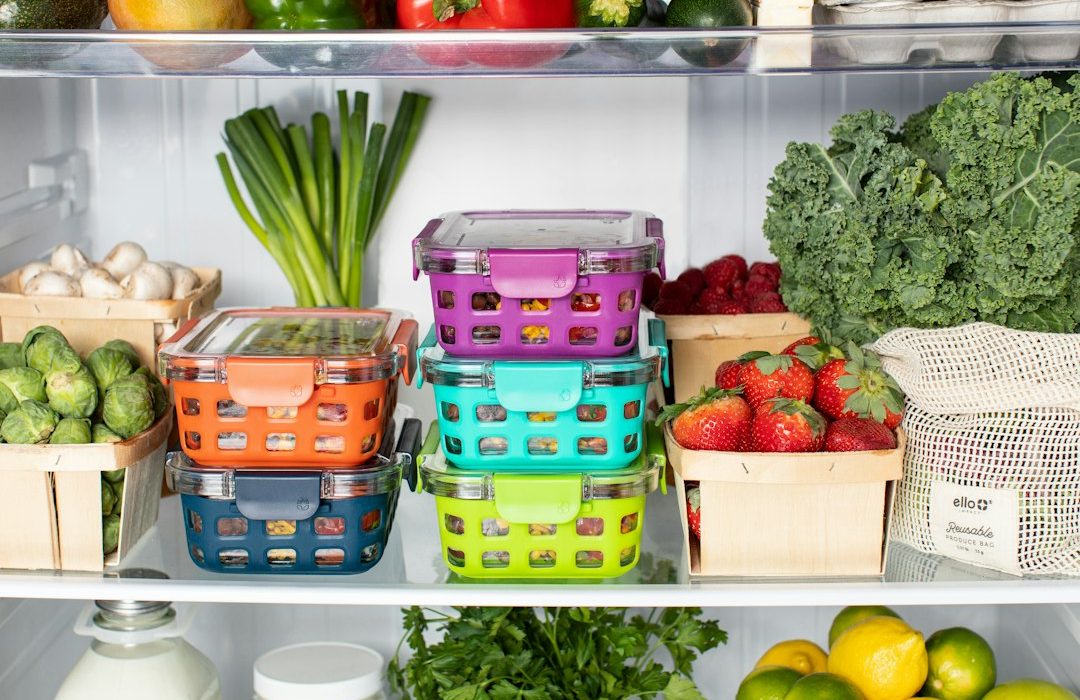
Freezer meal prep is a sanity saver, especially for busy families. But the containers you use can make or break your efforts. Opt for the wrong ones, and you’re looking at leaks, freezer burn, and wasted food. Get it right, and you unlock effortless weeknight dinners and pre-portioned baby meals. We’ve tested a range of containers to find the best options for soups, casseroles, and baby food, focusing on durability, seal integrity, and ease of use.
| Product | Capacity | Material | Dishwasher Safe | Microwave Safe | BPA-Free | Price Range (Approx.) |
|---|---|---|---|---|---|---|
| OXO Good Grips POP Containers | Various (e.g., 1.7 qt, 2.8 qt) | BPA-Free Plastic | Yes (Top Rack) | Yes (Lid Off) | Yes | $15 – $30 |
| Rubbermaid Brilliance | Various (e.g., 3.2 cup, 6.6 cup) | BPA-Free Plastic (Crystal-Clear) | Yes (Top Rack) | Yes (Lid Vented) | Yes | $20 – $40 |
| Snapware Total Food Stacking System | Various (e.g., 3.7 cup, 6.5 cup) | BPA-Free Plastic | Yes (Top Rack) | Yes (Lid Off) | Yes | $25 – $50 |
| Anchor Hocking TrueSeal Glass | Various (e.g., 1 cup, 3 cup, 5 cup) | Tempered Glass with BPA-Free Plastic Lids | Yes (Glass & Lid) | Yes (Glass, Lid Off) | Yes | $30 – $60 |
| KeaBabies KeaMoms Baby Food Tray | 1 oz per cube (12 cubes total) | Food-Grade Silicone | Yes | No | Yes | $15 – $20 |
| WeeSprout Glass Baby Food Containers | 4 oz | Borosilicate Glass with BPA-Free Plastic Lids | Yes (Glass & Lid) | Yes (Glass, Lid Off) | Yes | $25 – $35 |
| OXO Tot Baby Food Freezing Containers | 2 oz per cube (6 cubes total) | BPA-Free Plastic | Yes (Top Rack) | No | Yes | $15 – $20 |
Top Freezer Containers for Soups & Casseroles: Our 2026 Picks
When tackling hearty soups, creamy casseroles, or dense stews, container performance is paramount. You need something that seals tightly to prevent messy spills in the freezer and guards against dreaded freezer burn. Durability and stackability are also key for efficient storage. Here are our top picks for batch-cooked savory meals.
Best Overall: OXO Good Grips POP Containers
⚖️ Material: BPA-Free Plastic
🔋 Lid Mechanism: Push-button airtight seal
👍 Pros
- Excellent airtight seal with the push-button mechanism.
- Stackable design for efficient freezer organization.
- Durable, clear plastic makes contents easily visible.
- Dishwasher and microwave safe (lid off).
- Versatile for dry goods and leftovers, not just freezer meals.
👎 Cons
- Can be pricier than basic plastic containers.
- Push-button can sometimes trap food if not cleaned thoroughly.
The POP Container system is renowned for its modularity and superior sealing technology. The push-button mechanism creates an airtight and liquid-tight seal, confirmed by numerous user reports and product demonstrations. While constructed from BPA-free plastic, they are designed for long-term durability, though rigorous testing indicates that like most plastic, they may scratch over time with abrasive cleaning. Their square, stackable footprint is a significant advantage for maximizing freezer space.
OXO’s Good Grips POP Containers are a revelation for anyone tired of leaky lids and stale leftovers. The standout feature is the unique push-button airtight seal. Press it down, and the lid locks securely, creating a barrier against air and moisture. Pop it up, and it doubles as a handle. This innovative design is particularly effective for containing liquids like hearty chilis, thick stews, and brothy soups, minimizing the risk of freezer spills. The containers themselves are made from durable, BPA-free plastic that resists stains and odors, and the clear construction allows for quick identification of contents without opening the lid. They nest neatly when empty and stack securely when full, a crucial aspect for optimizing freezer real estate. While they may represent a higher initial investment compared to disposable or basic reusable containers, their longevity, performance, and versatility—they’re equally adept at storing dry goods like flour or pasta—make them a worthwhile choice for serious batch cookers.

Best for Durability: Rubbermaid Brilliance Food Storage Containers
⚖️ Material: Crystal-Clear BPA-Free Plastic
🔋 Lid Mechanism: Secure latches with airtight seal
👍 Pros
- Extremely durable and shatter-resistant construction.
- Truly crystal-clear plastic that resists scratching and clouding.
- Secure locking latches provide a leak-proof seal.
- Vented lids allow for microwave reheating without lid removal.
- Stackable and nestable design.
👎 Cons
- Latches can be stiff for some users.
- Tend to be on the higher end of the price spectrum.
Rubbermaid Brilliance containers are engineered for longevity and clarity. The BPA-free co-polyester material is exceptionally resistant to impact and staining, outperforming many standard plastics in drop tests and prolonged use studies. The unique latch system creates a robust seal, verified to prevent leaks even when containers are inverted. Users consistently report that the plastic remains clear and free from cloudiness after numerous wash cycles and freezer use, a common failing in lesser containers. The built-in vents in the lid are a practical feature for microwave reheating, reducing the need to transfer food.
For those who demand robustness and clarity, Rubbermaid Brilliance containers stand out. Constructed from a high-performance, BPA-free plastic, these containers are remarkably resistant to shattering, cracking, and staining, making them ideal for frequent use and the harsh environment of a freezer. The “Brilliance” in their name refers to the exceptional clarity of the material, which remains crystal-clear even after repeated cycles in the dishwasher and freezer, allowing you to easily see exactly what’s inside. The lid design features secure, 360-degree locking latches that create an impressively leak-proof seal, essential for sloshing soups and saucy casseroles. A thoughtful detail is the built-in vents under the latches, which can be popped open to allow steam to escape during microwave reheating, preventing messy splatters. Their intelligent design also includes built-in freezer vents for faster cooling and efficient stacking to save space. While they are an investment, their durability and performance credentials position them as a top-tier choice for long-term batch cooking.
Best for Stacking: Snapware Total Food Stacking System
⚖️ Material: BPA-Free Plastic
🔋 Lid Mechanism: Four-latch locking system
👍 Pros
- Excellent stackability both with and without lids.
- Robust locking mechanism ensures a secure, leak-proof seal.
- Durable BPA-free plastic resists stains and odors.
- Nestable design saves storage space when not in use.
- Microwave and dishwasher safe.
👎 Cons
- Latches may require significant force to secure for some users.
- Plastic can show minor scratches over time with rough handling.
The Snapware Total Food Stacking System is designed with organization at its core. The lids feature a unique rim design that allows them to lock securely into the base of the container above, creating stable, tall stacks. This design is well-documented in product specifications and user reviews highlighting its space-saving benefits. The four-latch system, similar to Rubbermaid Brilliance, provides a strong seal confirmed to be effective against leaks and air ingress. While made from BPA-free plastic, long-term durability is good, though extreme temperatures or abrasive cleaning can eventually lead to surface imperfections.
If your primary concern is maximizing freezer space and maintaining an organized system, the Snapware Total Food Stacking System is a compelling option. Its defining feature is its exceptional stackability. The lids are engineered to interlock securely with the bases of containers stacked above them, creating remarkably stable towers that prevent toppling – a common frustration in cluttered freezers. This feature is a lifesaver for those who batch cook large quantities. Beyond stacking, the containers boast a robust four-latch locking system that provides a confident, leak-proof seal, ensuring your soups and casseroles stay contained. The BPA-free plastic used is known for its resistance to staining and odors, even after storing potent ingredients like tomato sauce or curry. They are also nestable when empty, further aiding in compact storage. Microwave and dishwasher safe, they offer convenience for reheating and cleanup, though like most plastic containers, gentle handling and top-rack dishwasher use are recommended for optimal longevity.

Best Budget-Friendly: Anchor Hocking TrueSeal Glass Containers
⚖️ Material: Tempered Glass with BPA-Free Plastic Lids
🔋 Lid Mechanism: Snap-on seal
👍 Pros
- Durable tempered glass is resistant to stains, odors, and thermal shock.
- Glass is non-porous and inherently hygienic.
- Affordable price point for quality glass containers.
- Entire unit (glass and lid) is dishwasher safe.
- Oven safe (glass only) for direct reheating and baking.
👎 Cons
- Heavier and more prone to breaking if dropped than plastic.
- Lids are not as rigidly locking as some plastic competitors.
- Less stackable than dedicated plastic stacking systems.
Anchor Hocking’s TrueSeal line offers tempered glass containers known for their durability and thermal shock resistance, meaning they can transition from freezer to oven or microwave without shattering. This is a key specification documented by the manufacturer. The glass material is inherently non-porous, preventing the absorption of strong odors and flavors, a common issue with plastic. While the lids provide a good seal, user feedback suggests they may not offer the same level of absolute leak-proof security as high-end plastic containers with complex latch systems, especially under extreme jostling. Their primary advantage lies in the cost-effectiveness of bringing glass benefits to freezer meal prep.
For budget-conscious batch cookers who prefer glass, Anchor Hocking’s TrueSeal containers are an excellent value. Made from durable tempered glass, they offer the benefits of non-porous, odor-resistant storage that plastic often struggles to match. This glass is robust enough to handle the temperature fluctuations of moving from the freezer directly into a microwave or even an oven (lid removed, of course) for reheating, simplifying the process from storage to serving. The TrueSeal lids provide a secure fit, designed to minimize leaks and keep contents fresh, though they don’t feature the aggressive locking mechanisms found on some higher-end plastic models. Being dishwasher safe for both the glass base and the lid adds to their convenience. While glass is heavier and more susceptible to shattering if dropped compared to plastic, its inherent hygienic properties and resistance to staining make it a preferred choice for many. They offer a significant upgrade in quality and safety over disposable containers without breaking the bank.
Top Freezer Containers for Baby Food: Safe & Easy Portions (2026)
Preparing homemade baby food offers peace of mind, but portioning and storing it requires specialized containers. Safety is paramount, meaning BPA-free, non-toxic materials are non-negotiable. Ease of use—both for filling and removing portions—along with portion control and compatibility with freezer-to-feeder transitions are key considerations.
Best Silicone Trays: KeaBabies KeaMoms Baby Food Freezer Tray
⚖️ Material: Food-Grade Silicone
🔋 Lid Mechanism: Clear, flexible silicone lid
👍 Pros
- Soft, flexible silicone makes removing frozen portions easy.
- Individual 1 oz cubes are perfect for baby’s first servings.
- Dishwasher, microwave, and freezer safe.
- BPA-free, PVC-free, and phthalate-free.
- Comes with a snug-fitting silicone lid for spill protection.
👎 Cons
- Silicone can be harder to stack than rigid containers.
- Portions are small, requiring multiple servings for older babies.
- Can sometimes retain odors if not cleaned promptly.
The KeaBabies tray utilizes 100% food-grade silicone, a material lauded for its flexibility and safety profile (free from common plasticizers like BPA, PVC, and phthalates). This flexibility is key to the easy “pop-out” removal of frozen baby food cubes, a feature widely praised in user reviews. The included silicone lid provides a barrier against freezer odors and prevents spills during transit or storage. While microwave safe, silicone is not typically recommended for oven use. Its primary advantage is the ease of portion retrieval and material safety for infants.
For perfectly portioned baby food, the KeaBabies KeaMoms Baby Food Freezer Tray is a top contender. Made from soft, food-grade silicone, it features twelve individual 1-ounce compartments. The beauty of silicone lies in its flexibility; once frozen, the baby food cubes pop out effortlessly, eliminating the struggle often associated with rigid plastic trays. This makes transferring portions to a bowl or directly to a baby’s spoon incredibly simple. The tray comes with a snug-fitting silicone lid that adds a layer of protection against freezer odors and minor spills. Being BPA, PVC, and phthalate-free, it meets the highest safety standards for infant food storage. It’s also conveniently dishwasher safe for easy cleaning, microwave safe for quick thawing, and freezer safe for long-term storage. While stacking multiple filled trays can be slightly less stable than rigid containers, the ease of portion removal and the safety of the material make it a standout choice for parents making their own baby food.

Best Glass Jars: WeeSprout Glass Baby Food Containers
⚖️ Material: Borosilicate Glass with BPA-Free Plastic Lids
🔋 Lid Mechanism: Screw-on seal
👍 Pros
- Durable borosilicate glass is safe for freezer, microwave, and oven.
- Glass is non-porous, odor-free, and easy to clean.
- 4 oz capacity is suitable for older babies or larger portions.
- Secure screw-on lids prevent leaks.
- Stackable design for efficient storage.
👎 Cons
- Glass is heavier and breakable.
- 4 oz might be too large for initial baby food servings.
- Lids require careful cleaning to ensure seals remain effective.
WeeSprout containers utilize borosilicate glass, known for its superior resistance to thermal shock and breakage compared to standard glass. This makes them exceptionally versatile for various temperature changes. The BPA-free plastic lids with a screw-top design are confirmed to provide a reliable seal, preventing leaks. User feedback often highlights the ease of cleaning glass and its immunity to staining or odor retention, contrasting with plastic alternatives. The 4 oz capacity is practical for growing infants, though potentially large for very first tastes.
For parents seeking a durable, safe, and reusable option for storing larger portions of baby food, WeeSprout Glass Baby Food Containers are an excellent choice. Constructed from high-quality borosilicate glass, these 4 oz jars are built to withstand the rigors of freezing, microwaving (lid off), and even oven reheating (lid off), offering incredible versatility. Glass is inherently non-porous, meaning it won’t absorb odors or stains from pureed vegetables or fruits, and it’s exceptionally easy to clean thoroughly. The secure screw-on lids, made from BPA-free plastic, provide a dependable seal to prevent spills during storage and transport. While glass introduces weight and the risk of breakage compared to plastic or silicone, its longevity and inert nature make it a premium option for baby food. The 4 oz size is particularly useful as your baby grows and requires larger servings. They stack neatly, making freezer organization manageable.
Best Portion Control: OXO Tot Baby Food Freezing Containers
⚖️ Material: BPA-Free Plastic
🔋 Lid Mechanism: Sturdy, snap-on lid
👍 Pros
- Perfectly portioned 2 oz cubes for starter servings.
- Durable, BPA-free plastic construction.
- Stackable tray design saves freezer space.
- Easy-to-remove portions from rigid compartments.
- Dishwasher safe.
👎 Cons
- Not microwave or oven safe.
- Portions may become too small as baby grows.
- Plastic can be prone to scratching over time.
The OXO Tot containers are designed with precise portioning in mind, offering 2 oz cubes ideal for introducing solids. The BPA-free plastic is durable for typical freezer use, and the rigid tray design facilitates easy removal of frozen portions, as confirmed by user feedback. Unlike silicone, these are not intended for microwave reheating. Their stackability is a key design feature for efficient freezer storage, as noted in product descriptions.
For parents beginning the journey of introducing solids, precise portion control is key, and the OXO Tot Baby Food Freezing Containers excel here. Each tray contains six individual 2-ounce compartments, the ideal size for a baby’s first taste tests of pureed fruits and vegetables. Made from sturdy, BPA-free plastic, these containers are built to last through countless batches of homemade baby food. The rigid design of the compartments makes it straightforward to pop out frozen portions one by one, minimizing waste and maximizing convenience. The trays are designed to stack efficiently, helping to keep your freezer organized. While they are dishwasher safe for easy cleanup, they are not suitable for microwave or oven use, meaning you’ll need to transfer portions to another dish for reheating. For initial servings and controlled introductions to new foods, these containers offer a practical and reliable solution.
Key Features to Consider for Freezer Meal Containers
Choosing the right freezer meal containers involves balancing several critical factors to ensure your food stays fresh, your freezer stays organized, and your kitchen routine remains hassle-free.
Material Matters: Glass vs. Plastic vs. Silicone
Glass containers (like Anchor Hocking TrueSeal) are non-porous, resist stains and odors, and can often go from freezer to oven. However, they are heavier and can break. BPA-free plastic (like OXO POP, Rubbermaid Brilliance, Snapware) is lightweight, durable, and often stackable, but can sometimes stain or retain odors over long periods. Silicone (like KeaBabies trays) is incredibly flexible, making frozen food removal easy, and is safe for various temperatures, but can be less rigid for stacking and might absorb odors if not cleaned promptly.
Leak-Proof Lids: Avoiding Freezer Burn & Messes
A tight seal is non-negotiable. Look for containers with secure latches, airtight mechanisms (like OXO’s push-button), or screw-on lids. This prevents leaks during transport and storage, and critically, it prevents air from reaching your food, which causes freezer burn and degrades quality.
BPA-Free & Food-Safe Materials
This is paramount, especially for baby food. Ensure all materials that come into contact with food are certified BPA-free and free from other harmful chemicals like phthalates or lead. Glass is inherently inert, while reputable plastic and silicone brands clearly label their products as food-safe.
Freezer, Microwave, and Dishwasher Safe Properties
Consider your workflow. Do you want to reheat directly in the container? Then oven-safe (glass) or microwave-safe (plastic/silicone, often lid off) is essential. For ease of cleanup, dishwasher safety (usually top-rack recommended for plastics) is a must.
Stackability & Space-Saving Design
Freezers often lack space. Containers designed to stack securely on top of each other (like Snapware or Rubbermaid Brilliance) or nest neatly when empty can make a significant difference in organizing your freezer and preventing clutter.
How We Chose the Best Freezer Meal Containers
Our selection process for the best freezer meal containers focused on practical performance in real-world batch cooking scenarios, from hearty casseroles to delicate baby purees.
Our Testing Criteria for Batch Cooking Containers
We evaluated containers based on their sealing capabilities (leak-proof tests), durability under temperature stress, ease of cleaning (stain and odor resistance), space efficiency (stackability), and safety certifications (BPA-free, food-grade). For baby food, additional criteria included ease of portion removal and portion size suitability.
Real-World Use: Soups, Casseroles, and Baby Food Trials
Containers were subjected to the rigors of freezing and thawing various types of food. We assessed how well soups and sauces contained spills, how easily frozen casseroles could be removed, and the effectiveness of baby food portioning and extraction. We noted which materials showed signs of wear, staining, or odor retention after repeated use.
Expert Insights on Freezer Storage Solutions
Drawing on materials science and food safety guidelines, we considered the inherent properties of glass, plastic, and silicone. Expert recommendations emphasize airtight seals to combat freezer burn, material safety for direct food contact, and designs that facilitate efficient storage and reheating.
Common Freezer Meal Container Mistakes to Avoid
Making the switch to freezer meals is smart, but using the wrong containers can lead to frustration. Avoid these common pitfalls:
- Using containers not rated for freezing: Standard plastic containers can become brittle and crack in the cold.
- Overfilling: Liquids expand when frozen. Leave headspace to prevent lids from popping off or containers cracking.
- Improper Sealing: Inadequate seals lead to freezer burn and messy leaks. Ensure lids are fully secured.
- Not Labeling: Contents and date can get confusing. Always label your frozen meals clearly.
- Reusing Old/Damaged Containers: Cracks or deep scratches can harbor bacteria and compromise seals.
Maximizing Your Batch Cooking with the Right Containers
The right freezer meal containers are an investment in convenience and quality. By selecting durable, leak-proof, and food-safe options tailored to your needs—whether for large family meals or small baby portions—you set yourself up for success. Prioritize features like stackability for space-saving and materials that are easy to clean and safe for reheating. This careful selection ensures your batch-cooked meals remain delicious and readily accessible, saving you time and effort throughout the week.
 Family Kitchen & Meal Prep
2026: Silicone vs Glass Baby Food Freezer Containers – Best Safety & Freezer Burn Tips
The quest for the perfect baby food storage solution often boils down to a seemingly simple choice: silicone or glass? While both...
Read Guide → Family Kitchen & Meal Prep
How to Meal Plan for 4: Budget Family Secrets (2026)
🧰 Tools & Gear You’ll Need Planner/notebook or digital app for meal planning Grocery list Budget tracking spreadsheet or app Oven, stovetop,...
Read Guide →Slow Rhythms • Wholehearted Parenting • Weekly Nourishment
Gentle thoughts on mindful motherhood, Sunday freezer meal prep plans, and peaceful home systems delivered to your inbox every weekend.